Humor Literary Magazines Are the Gold Standard for Funny Books

Have you ever scrolled through endless book lists, searching for something truly funny? You click through post after post, but nothing lands. The humor feels forced. The satire falls flat. You start to wonder if the kind of writing that makes you actually laugh out loud even exists anymore.
That feeling is at the heart of the magazine dream. It is the hope that somewhere out there, a publication exists that gets your sense of humor. A place where writers craft jokes that land, characters that feel real, and stories that leave you grinning long after the last page. For decades, literary magazines were the gold standard for delivering exactly that experience.
Here is the problem. In 2026, we have more content than ever. Digital publishing is booming. Substack newsletters pop up daily. Yet finding quality humor remains a real challenge. The reason is simple. There is a lack of curated guidance. You can sift through thousands of titles on your own, or you can turn to the people who have been doing this work for years.
This article will show you how literary magazines have historically been, and continue to be, the gold standard for discovering, curating, and celebrating comedic literature. Whether you love the celebrity snapshots in Hello magazine, the sharp political takes in American conservative magazine, or the pure joy of well-crafted humor, these publications know where to find it. Want to see how a great sense of humor can carry a whole novel? Check out our look at books like Dog Man to see the magic in action.

If you are ready to stop hunting and start laughing, let us find your next great read.

A Brief History of Humor in Literary Magazines
The magazine dream of finding perfectly curated wit is not new. It stretches back to the 19th century.
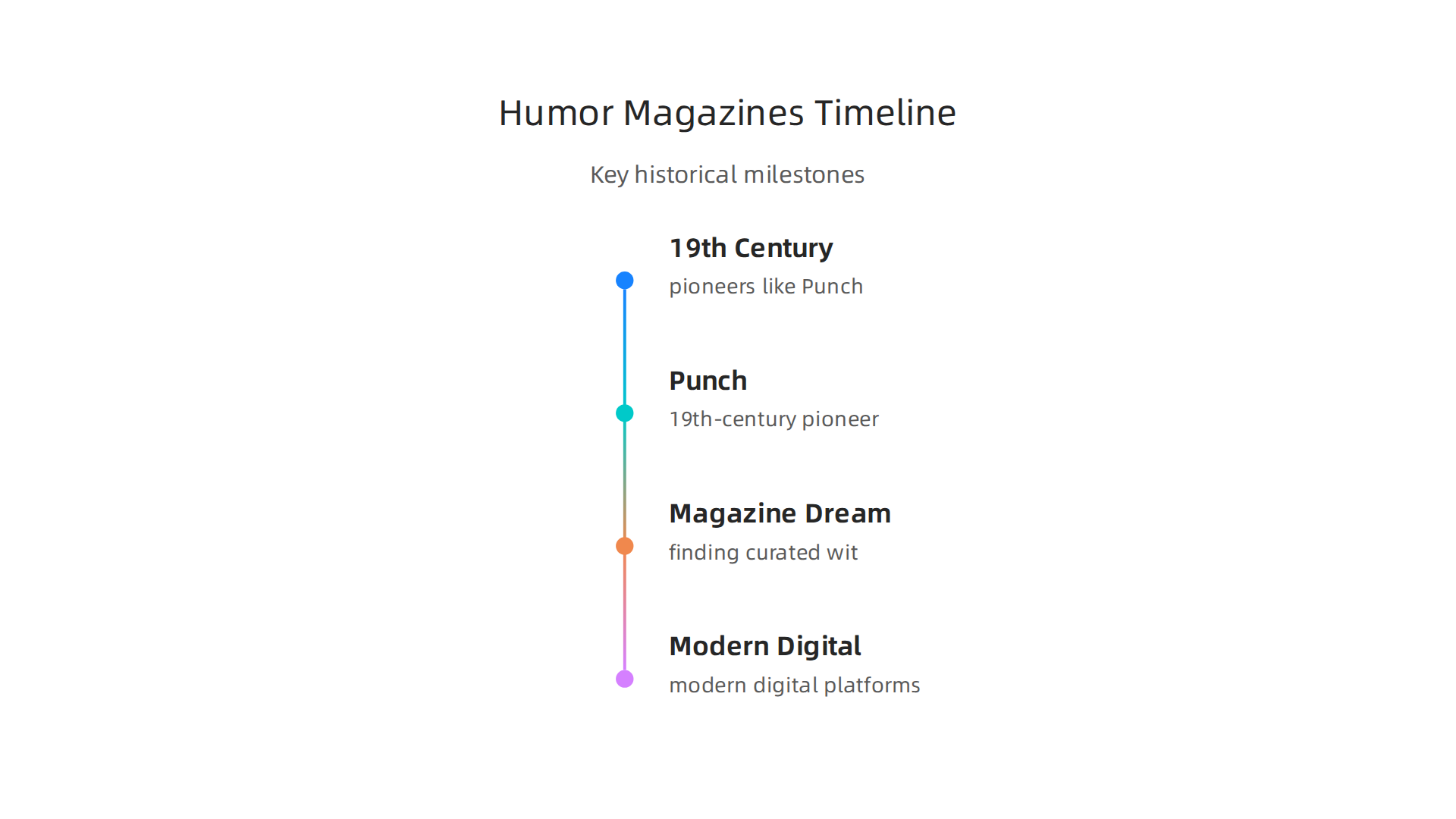
Think of Punch in London. It was a pioneer in satirical humor. Or The Rambler. These early magazines showed that funny writing could be smart, sharp, and widely loved. They taught audiences to expect cleverness from the page.
The 20th century took this dream to new heights. The New Yorker became the gold standard for humorous essays and cartoons. It gave us writers like James Thurber and Dorothy Parker. Then came National Lampoon. It pushed satire into bold new places. These publications did more than just make people laugh. They created a pipeline for emerging humor writers. They shaped what we think of as comedic standards in America.
Of course, print declined. But the dream did not fade. It moved online. In 2026, digital literary magazines are thriving. They offer the same promise of discovery. From Substack newsletters to dedicated online journals, platforms like those detailed in Erika Krouse’s 2026 rankings keep the tradition alive.

They connect readers with the kind of humor that makes you see the world differently. The curation has just shifted from the newsstand to your phone or laptop.
The spirit of discovering fresh comedic voices is alive and well in these new digital spaces.
That history of smart, fun discovery is still alive. Want to see where that legacy of comedic storytelling leads today? Read Book 1 and dive into a story built for readers who love a sharp, witty narrative.
From Punch to The New Yorker: Lessons in Curation
So what can the old masters teach us about finding your next laugh? Plenty. Look at Punch. It built its whole brand on a very simple idea. Pair sharp written satire with equally sharp cartoons. That mix was pure gold. It showed readers exactly what kind of humor they would get every single week. The magazine had a distinct voice. People knew what to expect, and that trust made it a trusted source for wit. That is a powerful lesson about curation.
Now think about The New Yorker. Its editorial process was famously tough. Editors spent hours on a single humorous essay. They cut every weak joke. They polished every punchline. This rigorous approach turned funny short stories into something special. It showed that humor is not just a throwaway thing. It is an art form worth perfecting.
These magazines proved that strong curation means two things. A clear, recognizable brand voice. And a commitment to quality over quantity.

That is the magazine dream at its best. A place where every piece of writing feels carefully chosen just for you. To see how that spirit lives on in modern humor writing, check out how discovering fresh comedic voices is being reshaped today. Want a story built with that same sharp editorial eye? Read Book 1 and enjoy a tale that values every single laugh.
How Literary Magazines Curate Humor: The Quality Filter
Ever wonder why some magazines just get your sense of humor? The answer is their editorial filter. Editors are the gatekeepers of the magazine dream. They decide what makes the cut.
Editors as gatekeepers
A good editor looks for comedic voice, timing, and originality. They ask: is this fresh? Does it fit our brand? That is why rejection rates are sky high.
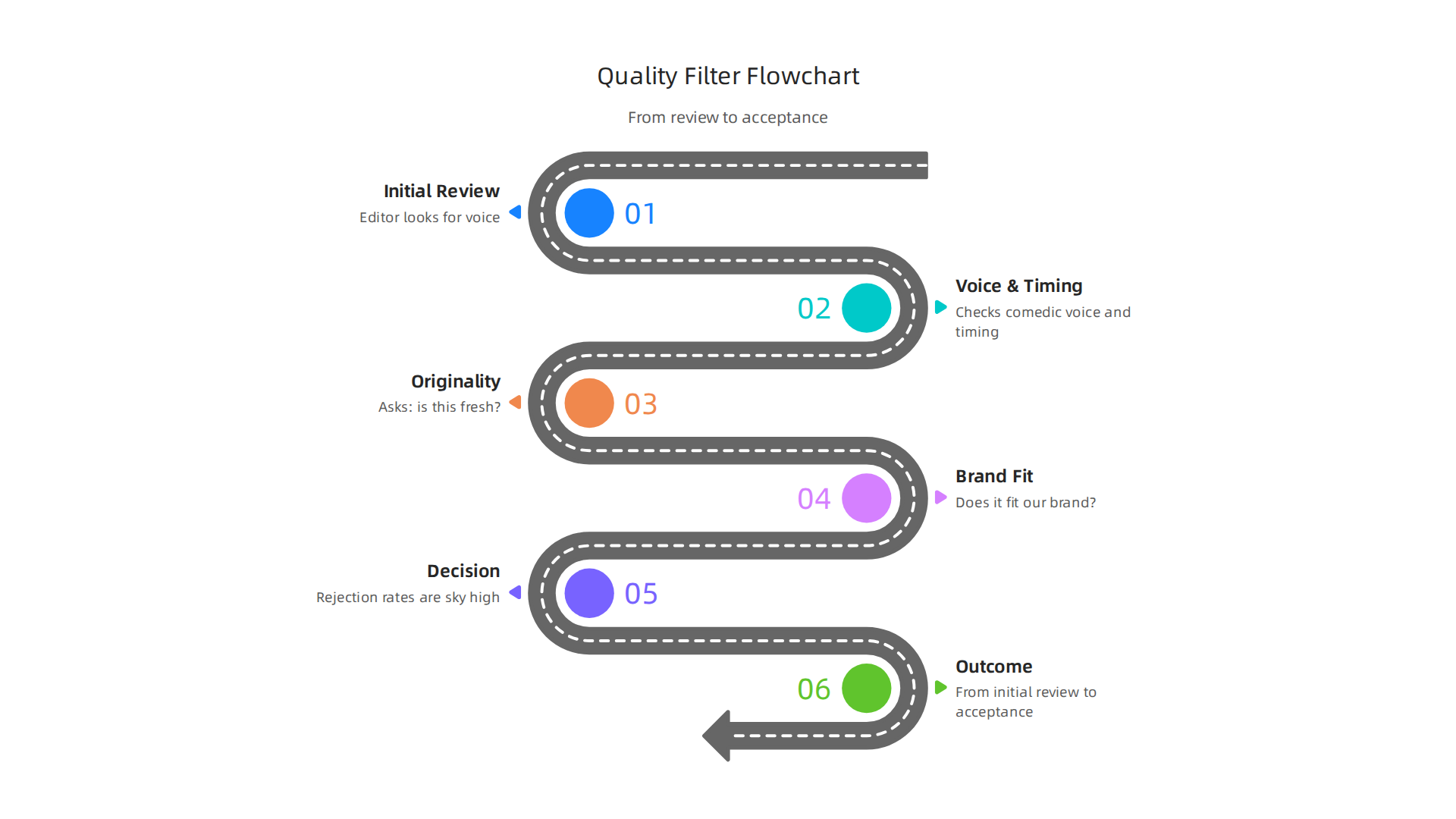
Many literary magazines accept only 1% to 5% of submissions, as this article on submission odds shows.

That tough filter keeps the humor consistent and high quality.
The submission review process
The review process is strict. Editors often toss pieces that ignore guidelines. One report notes that ignoring submission guidelines is the number one reason for instant rejection. Small grammar errors can also sink a good story, as another source explains. This high bar means only polished, thoughtful humor gets through.
General lit mags vs. humor-specific journals
General literary magazines, like The New Yorker or even a popular title like Hello Magazine, treat humor as one element among many. They may run a funny essay next to a serious poem. But humor-specific journals, such as a lighthearted feature in an American conservative magazine or a dedicated humor zine, focus entirely on comedic writing. Their editors are experts in funny. They can spot a weak punchline fast. That specialization creates a tighter reading experience.
Great curation turns a collection into a magazine dream: a place where every piece feels chosen for you.
If you love that kind of careful selection, explore how new comedic voices are discovered today. For a curated comedic read, Read Book 1 and see the quality filter in action.
The Editorial Eye for Comedy: A Peek Behind the Curtain
So what exactly do editors look for when hunting for that perfect piece of humor? It is more than just a funny punchline. Great editors scan for three key elements: subversion, relatability, and narrative economy.

Subversion means surprising the reader. A joke that twists expectations or flips a cliche feels fresh. Relatability grounds the comedy in shared human experience. The best humor makes you nod and think, "Yes, I have been there." Narrative economy is about tight writing. Every word must earn its place. Editors reject pieces for small grammatical errors even if the story is strong, as one submission guide notes. That strict attention to economy keeps the comedy crisp.
When a magazine consistently delivers on these elements, it builds deep trust with readers. You know the content will be reliably witty and well crafted. That reliability is what turns a scattered collection into a true magazine dream a destination you return to again and again.
If you trust this kind of careful curation and want more comedic reads, check out recommendations for books like Dog Man to keep the laughter going. And for personalized guidance on finding your next funny book, Get Recommendations from our editors.
The Discovery Engine: Finding Your Next Favorite Humor Author Through Magazines
Have you ever read a hilarious short story in a magazine and thought, "Wow, who is this person?" That is the real power of these publications. They are not just about giving you a quick laugh today. They are discovery engines. They are the farm teams for tomorrow’s best humor authors.
The path from magazine page to bookstore shelf is a common one. Why? Because it is incredibly hard for a debut novel to get any attention. As Esquire reports, the odds are stacked against new authors when it comes to media buzz. Magazines solve this problem. They give an emerging comedic voice a platform before they ever land a book deal. When you read a humor magazine regularly, you get a front-row seat to the minor leagues of comedy writing.
For a writer, seeing their work in a respected magazine is a massive achievement. Many call this the magazine dream. It is about more than just getting paid. It is about validation and exposure. It proves that your writing passed the strict tests of subversion, relatability, and narrative economy we talked about earlier. The competition is fierce. If you are a writer looking for a place to start, check out this useful list of humor journals that are actively looking for funny voices. Getting accepted by a respected title is a huge win and a clear signal to literary agents.
So how do you use this to find your next favorite book? It is simple. Start digging into magazine archives or submission lists.
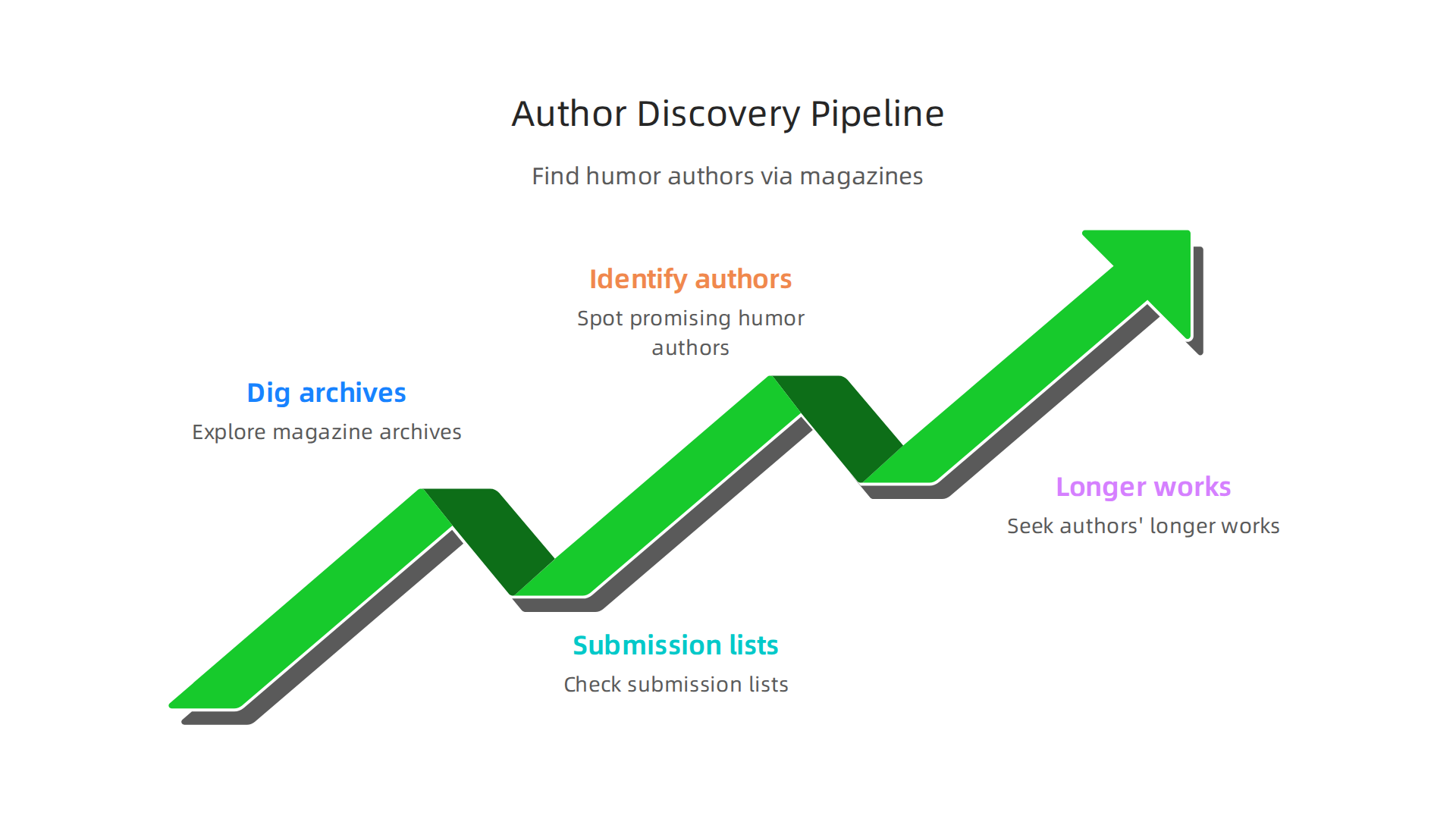
- Find a magazine you trust and read their recent humor section.
- Note the names of the authors who make you laugh out loud.
- Look them up to see if they have published a novel or a collection.
It is a direct pipeline from short form to long form. You get to find fresh talent before everyone else does. Many literary journals are quite approachable for new writers, with acceptance rates over 40 percent. This makes them rich hunting grounds for discovering unique comedic voices.
Once you find an author you love in a magazine, the next step is to hunt down their longer works. For instance, if you enjoy a certain chaotic and witty style, you might love exploring books like Dog Man to keep the laughter going. It is all about connecting the dots between a great magazine piece and a full book. To keep building your personal reading list with authors you will love, Get Recommendations from our editors.
How Magazines Surface New Voices: Submission Metrics That Matter
So how do these magazines actually find new comedic talent? It comes down to how they run their submission systems. Many respected journals actively look for undiscovered writers through open submission periods. This is where the magazine dream starts for many authors. They send their funny stories in, hoping to catch an editor’s eye.
The numbers might surprise you. Some literary journals have acceptance rates over 40 percent. That is much higher than people expect. This makes them great starting points for fresh voices. If you want to try submitting your own humor, check out this list of approachable journals to see where the odds are in your favor.
But which magazines are best at launching humor careers? Look for publications known for strong humor sections. Titles like The Paris Review (with their humor issues) and Ploughshares have a track record of spotting funny writers early. These magazines build a reputation for quality. When a writer gets accepted there, literary agents take notice.
The takeaway? Follow the submission patterns. Magazines with open reading periods that embrace humor are goldmines for discovering your next favorite author. Once you find a funny writer in one of these pages, see if they have a longer work out. You might enjoy exploring books like Dog Man to keep the laughter going. And if you want a custom list of authors to try, Get Recommendations from our editors.
Building a Community Around Laughter: Reader Engagement in Lit Mags
Reading a funny book by yourself is great. But finding it through a community of fellow humor lovers? That is even better.

Literary magazines do something special that big bookstores and algorithms cannot replicate. They build real communities.
Think about it. When you subscribe to a lit mag, you get more than just stories. You get letters pages where readers react to published humor. You get online forums where people debate what made them laugh. Many mags also host live readings where you can hear the comedy aloud and meet the writers. In 2026, digital communities are key for brand loyalty and growth, as engagement metrics show. Lit mags use newsletters to stay at the center of the content economy, keeping subscribers in the loop about new funny pieces and events.
This community does something important. It cuts through the noise. Instead of wading through thousands of books on a platform, you get trusted recommendations from people who already know your taste. One editor’s pick or a forum thread about a hilarious short story can point you straight to your next favorite author. That is the magazine dream coming to life: a curated, human-driven discovery path.
So if you love humor and want to find it without the overload, join a lit mag’s community. Start with their events or newsletters. The experience is social, warm, and focused on laughter. For a custom list of funny authors handpicked by our editors, Get Recommendations. Or dive into a recommended read like The Bounty Hunter Dog Comedy to see what community-approved humor looks like.
From Submissions to Shared Laughs: The Social Side of Humor Mags
You subscribe to a humor magazine. You read a hilarious short story. Then you scroll down to see what others thought. That is the magic of the social side.
Humor magazines do not just publish stories. They build a shared experience around them. Many platforms use rating systems where readers can quickly show what hit or missed. Comments sections turn into mini forums where people debate which punchline landed best. In 2026, digital communities drive this kind of engagement, and brands use these metrics to understand what makes readers laugh together.
Some magazines even host virtual book clubs around a single funny piece. You read the story, then join a live chat to dissect it with strangers who quickly become friends. This is the magazine dream in action: a curated space where humor connects people.
Reader comments and shared ratings help cut through the flood of content. Instead of endless browsing, you get a clear signal from people who share your taste. That trusted feedback guides you to your next laugh. For more ways to keep the joy going, check out books like Dog Man to keep the laughter going after The Scarlet Shedder. Or let our editors handpick your next funny read: Get Recommendations.
Genre-Bending Humor: Sci-Fi, Fantasy, and Beyond in Literary Magazines
We have seen how reader comments and shared ratings help guide your choices. But what if your taste in funny stories is really specific? You want spaceships and puns. Or magic wands and witty one-liners. Finding that exact blend can feel impossible. You are searching for the magazine dream of a perfectly curated story that matches your quirky mood. Luckily, specialized literary magazines understand this challenge.
Magazines like Strange Horizons and Nature Futures have long championed speculative fiction. In 2026, they actively seek out humor crossovers. This means you get witty, thought-provoking stories that blend genres. It is a much better experience than flipping through a general hello magazine or scanning the culture section of an american conservative magazine for laughs. For writers, this trend is a great opportunity too. Many paying markets are open now, looking for fresh voices that push boundaries. You can find a full list of these genre-bending publications on resources like Reedsy’s list of fiction magazines.

Another great roundup comes from Authors Publish, which highlights 5 paying literary magazines to submit to this year.
These curated spaces take the hard work out of hunting for niche reads. They do the digging so you can enjoy the best of sci-fi comedy and fantasy humor. To see this concept in action, learn more about genre-bending humor in this fun take on a bounty hunter comedy. And if you want to explore a full story world built entirely around cosmic chaos and clever wit, Explore the Series. The Ridiculous is a perfect example of what happens when genre-bending humor truly hits its stride.
The Rise of Speculative Satire: A Niche Within a Niche
The demand for smart, funny speculative fiction is growing fast. Magazines like Lightspeed now feature a dedicated humor category. The Magazine of Fantasy & Science Fiction publishes satirical pieces that blend genres without losing depth. In 2026, these publications make the magazine dream a reality for readers who crave witty sci-fi or fantasy stories. Instead of flipping through a hello magazine or an american conservative magazine hoping for a laugh, you can go straight to a source that understands your specific taste for humor in speculative fiction.
These magazines solve the genre-blending problem by curating exactly what you want. They actively seek submissions that mix comedy with spaceships or magic. If you are a writer, you can find current calls for submissions on resources like Reedsy’s list of fiction magazines and Authors Publish’s roundup of paying markets. They do the hard work of filtering so you get only the best speculative satire.
For more laughs in a similar vein, check out our recommendations for books like Dog Man. And if you are ready to dive into a full-blown cosmic comedy, get recommendations from our editors to start your next hilarious adventure.
Here’s the thing about the magazine dream in 2026. The old gatekeepers, like a typical hello magazine or an american conservative magazine, often couldn’t make room for specific humor niches.
Digital-First Democratization
Digital platforms have changed everything. A small team can now launch a focused satire magazine without a printing press. In fact, treating print as a premium product with fewer issues helps indie publishers survive in 2026. This digital shift lets niche humor flourish in ways that were impossible before.
The AI Double-Edged Sword
AI is a big topic right now. Generative AI threatens traditional traffic and ad revenue models, which could flood submissions with generic content. But here is the upside. Human-curated magazines become more valuable because readers crave authentic, original wit. The opportunity is for real editors to champion strong voices while AI handles the busy work.

A Real Launchpad for Writers
Some worry if the magazine dream still works as a career start. It does. In 2026, building trust with a dedicated readership is a top author trend. Getting published in a specialty humor magazine signals to agents and fans that you bring a fresh, funny perspective. It is a direct line to the audience that will follow your work.
If you love stories that blend big ideas with absurd laughs, check out our recommendations for fiction that hits that sweet spot.
Ready for a full-blown cosmic comedy adventure? Get Recommendations from our editors to start your next hilarious journey.
Will the ‘Magazine Dream’ Survive?
So, will the magazine dream survive this shift? The honest answer has two sides.
Cautious insiders point out that algorithm-driven feeds make it harder for any single publication to stand out. The same forces that swallowed up the old hello magazine model now push generic content at everyone. Indie publishers know that AI powered search will shift how readers find content, which could bury niche humor under SEO optimized clickbait.
But here is the bright side. The same trends that threaten an american conservative magazine are the ones making community driven publications more valuable. Readers in 2026 crave curation and trust. They want a real editor who picks the funniest piece, not a bot that optimizes for engagement. That is why indie publishers survive by treating print as a premium signal of quality.
The magazine dream survives by leaning into what algorithms cannot replicate: human taste, a clear voice, and a loyal community. If you are looking for a place that still champions original wit, check out our recommendations for fiction that hits that sweet spot. To find your next hilarious read from editors who actually care, Get Recommendations and join a community that values the real thing.
Summary
This article explains the