The Funny Memes Face Why Animal Expressions Become Viral Hits

Memes are everywhere on the internet these days, and some of the funniest ones show animals with very human-like expressions. When we see a pet making a silly face, it just makes us smile. This idea of a "funny memes face" is more than just a quick laugh, though. It actually helps us understand how humor works and why some things go viral.
Think about all the pictures of cats and dogs looking surprised, sassy, or confused. These funny faces, often called "face memes funny," keep showing up again and again. It is because we connect with them. People have been enjoying pictures of funny animals for a very long time, even before the internet. Experts say that the idea of cat memes, for example, goes back to the 1700s, showing that we’ve always loved these kinds of images The History & Origin of Cat Memes: From the 18th Century to lolcats. These pictures capture little moments that feel very real and relatable, even if they’re from a "dogs with blogs" type of scenario. It reminds us of moments like "my dog love me."
So, why does understanding the "funny memes face" matter to you? For readers, it is simple entertainment and a way to feel connected to a larger online community. Sharing a laugh over a funny animal picture is a small, joyful thing.

For writers and people who promote books, knowing what makes a "funny memes face" so popular is a powerful tool. It teaches us about how to get people’s attention and how to make content that sticks with them. Learning about funny meme pictures of dogs and the science behind the viral humor can help writers craft characters and situations that are truly funny and memorable. It is about understanding what sparks engagement and makes something discoverable in a busy online world. This guide will help you see how those simple, funny faces can open doors to better understanding humor in stories and books.
Looking for Humorous Fiction? Looking for Humorous Fiction?
Where funny animal ‘meme faces’ came from: a concise history
We just talked about how funny animal faces help us understand humor. Now, let’s look at where these popular "funny memes face" pictures really started. It might surprise you to know that enjoying funny animal images isn’t a new thing at all. People have loved them for hundreds of years.
Think about the earliest forms of what we now call a "meme." Long before the internet, artists would draw animals doing funny, human-like things. For example, some experts say that funny cat pictures, much like today’s cat memes, can be traced back to the 1700s History & Origin of Cat Memes. These early images showed cats in funny poses or outfits, making people smile.
The real shift began with photography. Once cameras became common, people started taking pictures of their pets in silly moments. At first, these were just funny photos. But then, people began adding words to them. This created the first "captioned photos." These words often made the animal’s expression even funnier, like a dog looking confused with a funny question written underneath. This gave us the early ideas of what a "face memes funny" picture could be.
The internet made these images truly take off.
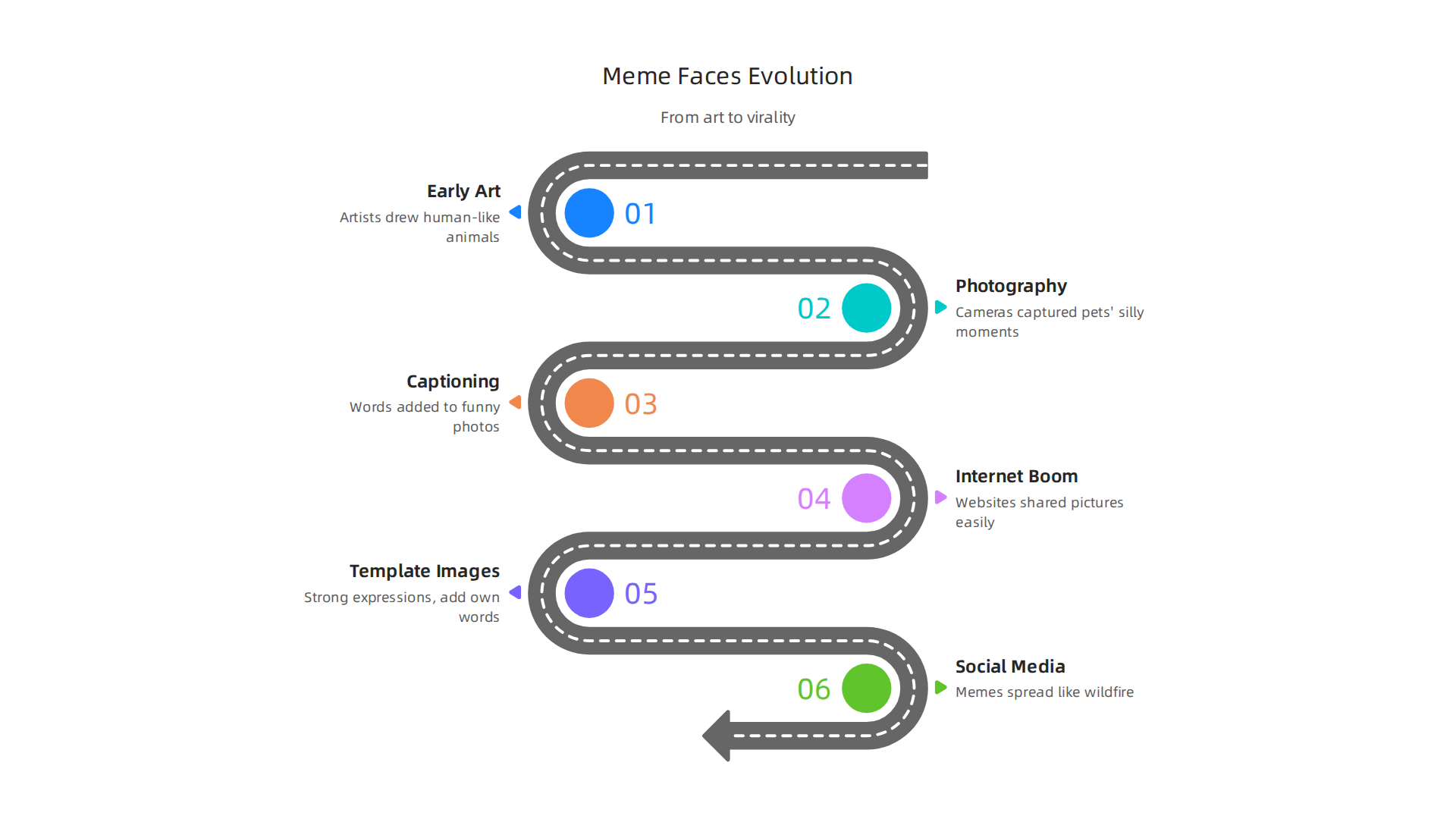
Around the mid-2000s, websites and online communities popped up where people could share funny pictures easily. This is when the "funny memes face" really became a big deal. Instead of just one funny picture, people started making "template-driven reaction images." This means they’d take a picture of an animal with a strong expression, like a very surprised cat or a grumpy dog, and then everyone would add their own funny words to it. This allowed for lots of new jokes from the same picture.
Big websites and social media platforms helped these funny animal faces spread like wildfire. Suddenly, a picture of a clever-looking dog or a sassy cat could be seen by millions of people in just a few hours. These images often poked fun at everyday life, making us feel like "my dog love me" or showing funny situations that felt very real. This period in the 2000s truly shaped how we see memes today, creating a whole "History of MEMES Timeline" that continues to grow History of MEMES Timeline.
Understanding this journey helps us see why some images become so popular. It’s not just about the animal, but about the relatable feeling the picture gives us. For writers, looking at how these simple images connect with so many people offers a big lesson in making stories that stick.

It’s all about visual humor and making your audience feel something.
Anatomy of a funny memes face: visual cues, captions, and timing
We know that funny animal pictures make us feel things. But what exactly makes a certain "funny memes face" picture so special that it goes viral? It’s like a secret recipe with a few key parts: what the animal’s face looks like, how the picture is taken, and the words added to it.
First, let’s talk about the animal’s face itself. The most popular funny memes have animals showing very clear feelings. Think about a cat with wide eyes that look totally shocked, or a dog with a grumpy frown. When we see these strong feelings on an animal’s face, we often feel those feelings ourselves. This is called "emotional contagion," where we almost "catch" the emotion just by looking at someone else’s face, even an animal’s face Emotional contagion | Psychology | Research Starters. This makes the "face memes funny" because we connect with them instantly. Some researchers even point to "universal emotions" that many creatures express in similar ways.
Next, how the picture is taken plays a big role.
- Close-ups: Often, a funny memes face is zoomed in close. This helps us see every detail of the animal’s silly expression.
- Framing: The way the animal is placed in the picture also matters. Sometimes, only the face is shown, making the expression stand out even more.
- Unexpected moments: Pictures taken at just the right second, when an animal is doing something unusual, are often the funniest. This surprise adds to the humor.
Then comes the caption, which is the text you see on the picture. A good caption takes the animal’s funny face and makes it even better.
- Minimal text: Often, less is more. Short, simple words or phrases work best. They don’t distract from the animal’s expression.
- Relatable feelings: The best captions make us think, "Yes, I’ve felt that!" or "My pet does that!" For example, a picture of a dog looking guilty with a caption like "Who ate the last cookie?" is funny because we can imagine our own dog doing that, or maybe even ourselves. It makes us feel "my dog love me" in a funny, shared experience.
- Ambiguous expressions: Sometimes the animal’s face looks like it could mean many things. This lets us use our own imagination to fill in the blank, making the meme personal and funnier for more people.
When you mix a clear, funny animal expression with good framing and a short, relatable caption, you get a powerful "funny memes face" that people love to share. It’s the perfect mix of visual humor and shared experience that makes these images so popular. Want to dive deeper into how specific animal memes go viral? Check out this resource on Funny Meme Pictures of Dogs and the Science Behind the Viral Humor.
Why faces make us laugh: the psychology behind reaction memes
We just talked about how a good funny memes face brings out feelings in us. But why do faces make us laugh so much? It’s all thanks to some cool tricks our brains play.
When we see a funny face, especially a reaction meme, our brains quickly try to understand what’s going on. This often makes us feel happy or surprised, leading to a laugh.
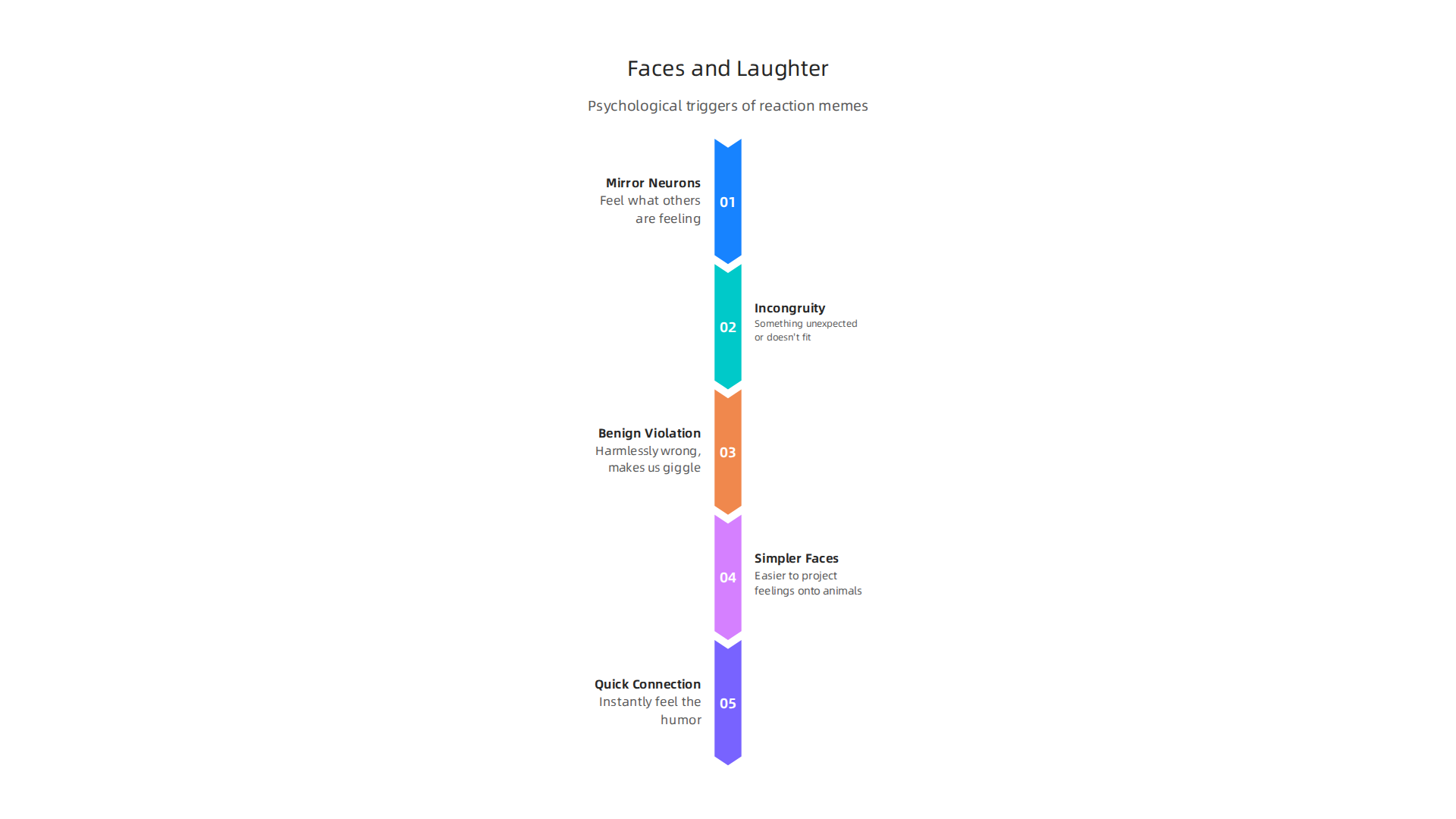
One big reason is something called "mirror neurons." Imagine you see someone yawn. You might feel like yawning too, right? That’s because mirror neurons in your brain make you feel what others are feeling. When you see an animal’s funny memes face showing surprise or confusion, your brain acts like you’re feeling those things too. This helps us connect with the meme and share the emotion, sometimes even leading to actual laughter. This mirroring helps us understand and feel emotions, even from a simple facial expression Action units of facial expressions in emotional contagion.
Another reason faces make us laugh is something called "incongruity." This is when something doesn’t fit or is unexpected. Think of a tiny kitten with a giant, grumpy frown. The kitten’s small size and the big, serious face don’t match, and that’s what makes it funny. Our brains love to spot these mismatches. When we see something that doesn’t quite make sense, but also isn’t a problem, we find it amusing. This is often why "face memes funny" work so well.
And then there’s the "benign violation" idea. It sounds complex, but it just means something is a little bit wrong, but also completely harmless. For example, a picture of a dog wearing sunglasses inside the house. It’s silly and a bit odd, but it doesn’t hurt anyone. This harmless "wrongness" makes us giggle.
When we look at animal reaction memes, these brain tricks work even better. Animals have simpler faces than people, which sometimes makes it easier for us to put our own feelings onto them. A dog’s wide eyes or a cat’s annoyed look can instantly remind us of how we feel when something surprising or annoying happens. This quick connection means we don’t have to think hard; we just feel the humor and want to share that funny memes face with others. It’s why we often say, "my dog love me," even when they’re giving us a slightly silly or judging look in a meme. It’s all part of the fun of how we connect with these images.
Want to understand even more about why we laugh at different things? Explore the full art and psychology behind humor with a deep dive into why we find things funny.
Once we understand why a funny memes face makes us chuckle, the next big question is: how do these simple pictures or short videos become so popular online? In 2026, it’s all about how social media works and what people love to share.
Social media platforms have special rules, called algorithms, that decide what you see. These rules in 2026 really push content that people share and save a lot, even more than just getting "likes." So, if an animal’s funny memes face makes you laugh out loud and you send it to a friend, the platform sees that as important. This helps the meme reach more and more people, like a snowball rolling downhill What Makes a Social Media Post Go Viral in 2026?. This re-sharing loop is key to making things go viral.
Another big part of how these memes spread is how easy they are to change and share. Many funny animal faces become popular because people can easily add their own words or ideas to them. This "remixability" means one "face memes funny" picture can lead to hundreds of new funny versions. Short videos also make it super easy for people to watch and share quickly, keeping the fun going.
Timing matters too. If a funny animal meme shows up at just the right moment, maybe when everyone is feeling a certain way or talking about a specific topic, it can spread very fast. And when popular people online, sometimes called influencers, share a meme, it gives it a huge boost. Even special groups like "dogs with blogs" communities can help spread a funny animal face far and wide. People feel a strong connection, almost like "my dog love me," when they see an animal expression that perfectly captures a feeling, making them want to share that laugh with others.
Want to learn more about why some pictures become huge hits online while others don’t? Discover more about Visual Humor: Why Some Funny Photos Go Viral.
If you love humor and want to explore stories that blend funny ideas with big adventures, then it’s time to Make Your Next Novel Ridiculous.
When a funny animal’s face becomes a big hit online, it’s easy to just enjoy the laugh. But there are important things to think about, like who owns the picture and if it’s okay to share.

This is where ethics, copyright, and platform rules come into play.
First, let’s talk about ownership. Every funny memes face or picture you see was taken by someone. That person usually owns the copyright. This means they have the right to say how their picture is used. If someone takes a picture and it becomes a "face memes funny" sensation, but others use it without asking, that can cause problems. It’s like taking someone’s toy without permission. For creators and publishers in 2026, understanding who owns the original image is super important to avoid legal trouble.
Next, there’s the idea of consent. This is a big one, especially when pictures of people are turned into memes. Did the person agree to have their funny face shared with millions? What if their picture is changed using new tech, sometimes called "deepfakes," to make it seem like they are doing or saying something they didn’t? This can be very harmful. It’s about respecting people’s privacy and dignity.
When we talk about animals, things get a bit different, but ethics still matter. Many "dogs with blogs" or other pet accounts share cute and funny animal pictures. Most of the time, the owners are careful and make sure their pets are safe and happy. But what if a picture or video shows an animal in a way that isn’t kind, just to get a laugh? We need to think if the content is truly funny or if it might be causing stress to an animal. After all, when we say "my dog love me," we mean we love them back and want to treat them well.
Finally, social media companies have rules, called community guidelines, to try and keep things fair and safe. They work to take down content that breaks these rules, like pictures that are stolen or harmful. For anyone making or sharing a funny memes face, it’s good to know these rules. It helps make sure the fun doesn’t cross a line into something unfair or unkind. Learning more about what makes humorous animal content go viral responsibly can be very helpful. You can explore topics like Funny Meme Pictures of Dogs and the Science Behind the Viral Humor.
After talking about how to share funny animal content safely and fairly, let’s look at how people actually make those "funny memes face" pictures that everyone loves. It’s like having a secret recipe for laughter.
First, creators need a great picture. This is often a funny memes face of an animal. Many times, it’s their own beloved pet, just like the famous "dogs with blogs" whose owners share their everyday silly moments. Finding the right picture is key; creators look for photos where the animal has a very special look that makes you instantly think, "This is a ‘face memes funny’ moment."
Once they have the picture, the next step is adding short, clever words. These are called micro-captions.

Imagine a picture of a dog making a funny face, and the words say, "I regret nothing." The words work with the picture to make the funny memes face even funnier. This mix of picture and words is what often makes content stick and helps it get shared widely.
To make sure their funny memes face gets seen by lots of people, creators often try out different versions. This is like trying different flavors of ice cream to see which one people like best. They might change the words or where the words sit on the picture. This helps them learn what people enjoy most and what makes a social media post go viral in 2026.
What tools do they use? Many popular creators use simple photo apps on their phones or free tools online. These tools let them quickly add text, cut the picture, or add a simple filter to make the animal’s expression stand out more. For example, they might zoom in on a cat’s shocked eyes to really bring out that "face memes funny" look. These small changes make a big difference in how much people share the content. In 2026, social media is less about just chasing viral trends and more about creating content that truly connects with people and builds a friendly online spot, showing that "my dog love me" in a way everyone can relate to. To understand more about what makes certain images catch on, you can read about Visual Humor: Why Some Funny Photos Go Viral and Others Flop. This kind of creative work is part of a bigger trend in how brands use Meme culture in social media marketing in 2026 to connect with their audience.
Thinking about creating your own funny stories, whether with pictures or words? You might enjoy exploring new ideas. Start the series where humor, identity, and cosmic chaos collide. Make Your Next Novel Ridiculous.
Using funny animal memes to promote books and build a reading community
Now, let’s think about how authors and book pages can use these fun animal pictures, especially those with a funny memes face, to share their stories and find more readers.

It’s like finding a new way for people to learn about your book.
First, authors need to make sure their memes fit their audience. If your book is about funny animals, then animal memes are a perfect match. You want your funny memes face to talk to the people who would love your book. The meme’s voice, or how it "talks," should also be like your book’s voice. If your book is silly and light, your memes should be too. Posting often, but not too much, helps people remember your book. This smart use of online trends can help authors connect with readers, much like how big companies use meme marketing to reach their customers in 2026. You can find many ideas from 15 Best Meme Marketing Examples from Big Brands in 2026.
Imagine a face memes funny picture of a cat looking surprised, with words that hint at a twist in your mystery novel. Or a happy dog looking like "my dog love me" to share a heartwarming message from your story. Even if you don’t have a whole "dogs with blogs" type of fan base yet, these memes can help you build one. They make people smile and want to learn more about what you do.
To know if your memes are working, you need to look at how people interact with them. Are they liking, sharing, or commenting? These are called engagement metrics. When people share a funny memes face from your page, it means more eyes see your book. By tracking these numbers, you can see which memes work best and help more people discover your books. Thinking about how to make your funny dog content even better? You might want to explore some ideas for dog humor books memes and comedy that prove dogs are hilarious. This can directly lead to people checking out your book’s page or buying your novel.
This kind of marketing isn’t just about getting laughs; it’s about building a friendly place where readers can gather and connect with your stories. If you’re looking to dive into tales that blend humor, identity, and wild adventures, you might find something new to enjoy. Try Funny Fiction With Scope.
Summary
This article explains why animal "funny memes face" images are so popular, tracing their history from early humorous illustrations to today’s captioned photos and social-media templates. It breaks down the key elements that make a meme work — a clear facial expression, tight framing, and a short relatable caption — and examines the psychology behind why faces trigger laughter, including mirror neurons, incongruity, and benign violations. The guide also covers how platform algorithms, remixability, timing, and influencers fuel virality in 2026, and it flags practical concerns about copyright, consent, and animal welfare. Practical tips show how creators capture and caption images, test variations, and use simple tools to boost shareability. Finally, the article points out how authors and book marketers can use funny animal memes to build audience engagement, measure success, and keep promotion aligned with a book’s voice.