Funny Monkey Characters That Keep Us Laughing for Generations

Introduction
Monkeys have been making humans laugh for more than a century.

From early cartoons to modern movies and books, a funny monkey never gets old. Think about Curious George, Abu from Aladdin, or the mischievous monkeys in "The Jungle Book." They bring joy and silliness that everyone loves.
But here is the problem. With so much content available today, finding a truly well-crafted funny monkey character is hard. You scroll through funny pics memes or search for good jokes, but most humor feels shallow. You want characters with real wit and charm. The same issue applies to funny dogs or funny people in stories. Great comedic writing is an art form.
In 2026, pop culture keeps changing fast. Trends shift quickly, as you can see in discussions about pop culture predictions for 2026 (YouTube). Even data tools like SurveyMonkey show how cultural trends affect what we find funny (SurveyMonkey Trends 2026).

And niche communities even rank "closer monkey" performances (Substack). But the search for a truly hilarious animal character remains universal.
That is where this article comes in. We will explore how funny monkeys have evolved in animation, literature, and film. We will look at the psychology behind why they make us laugh. And we will share iconic examples that balance wit and charm. Whether you are a fan looking for your next laugh or a creator seeking inspiration, you will find useful insights here.
If you enjoy quality humorous fiction, you might also appreciate collections from humor literary magazines that curate the best funny writing.
Keep reading to discover the best funny monkey characters. And for more laugh-out-loud book suggestions, browse our recommendations.
The Evolution of the Funny Monkey Archetype
To really get why a funny monkey makes us laugh, we have to look back. The archetype didn’t just appear in cartoons. It goes way back to ancient folklore.
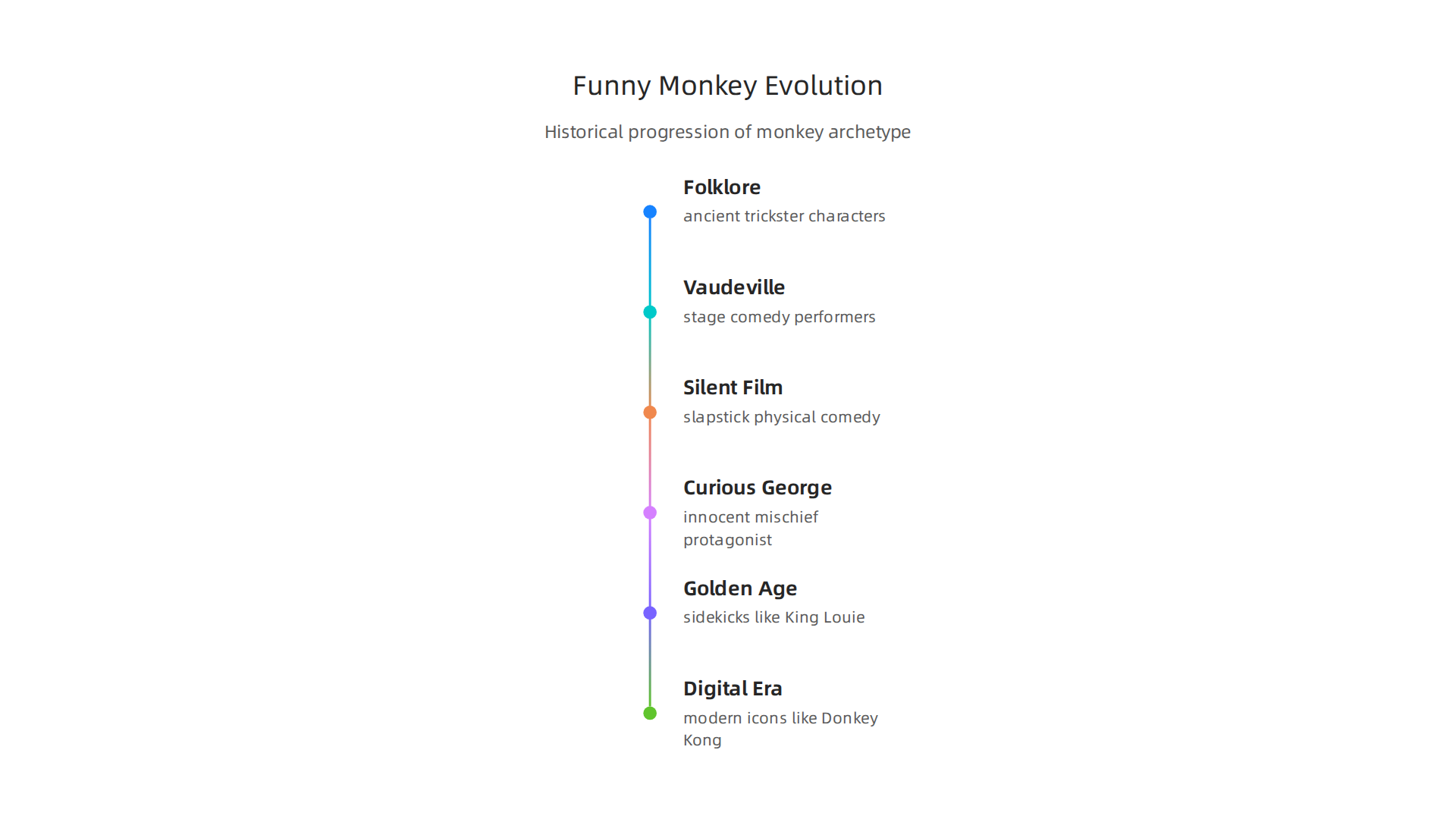
In many cultures, the monkey was a trickster. Think of the Chinese Monkey King. These characters were clever, mischievous, and always causing chaos. That trickster energy is the DNA of every funny monkey character we love today.
Fast forward to the early days of film. The silent era brought animation to life. Studios like Disney and Fleischer started drawing animal characters that moved and acted like people. The first cartoon characters appeared as early as 1908, according to research on the evolution of animation (MovieWeb). By the 1920s, cartoons were full of anthropomorphic animals. One early example from the 1910s featured an anthropomorphic monkey character, as noted in the history of animation on Wikipedia. These early monkeys were pure slapstick. They threw things, tripped, and caused trouble. No talking, just physical comedy.
Then came a big shift. In 1939, Curious George was born. George was not a trickster. He was a curious little monkey who got into innocent trouble. This changed the archetype. Now the funny monkey was more of a sidekick or a childlike friend. You laugh with George, not at him. That warmth made him loved by millions.
The golden age of animation brought even more monkey characters. Disney and Hanna-Barbera used monkeys as comic relief sidekicks. Think of King Louie in The Jungle Book (1967). He was a fun-loving, jazz-singing orangutan. Or Abu from Aladdin (1992). Abu became the perfect sidekick. He stole scenes with his facial expressions and playful antics. During this time, the funny monkey often played the goofy best friend.
In the digital era, animation moved to CGI and 3D. Monkey characters evolved again. Now they could show more emotion and detail. The Madagascar series brought us King Julien, a lemur (close enough). And in video games and online content, funny monkeys keep appearing. The trickster side is still there, but now it’s mixed with heart and personality.
Today’s funny monkey can be both a troublemaker and a loyal friend. The best ones balance wit and charm. And if you love humorous animal characters in books, you are in the right place. Browse our recommendations for laugh-out-loud fiction featuring clever animals and witty writing.
Also, if you enjoy animal comedy in written form, check out these books like Dog Man to keep the laughter going.
Pre-Cinema Roots: Monkeys in Folklore and Vaudeville
Before a single cartoon was drawn, the funny monkey already had a long career in storytelling. Across Africa, Asia, and Europe, folklore was full of monkey tricksters. Think of the clever monkey who outsmarts a crocodile or the mischievous one who causes chaos in a village. These characters were not mean. They used wit to survive. And people loved watching them get away with trouble.
By the 1800s, that same energy moved to the stage. Vaudeville theaters and traveling circuses featured trained monkeys as comic performers.
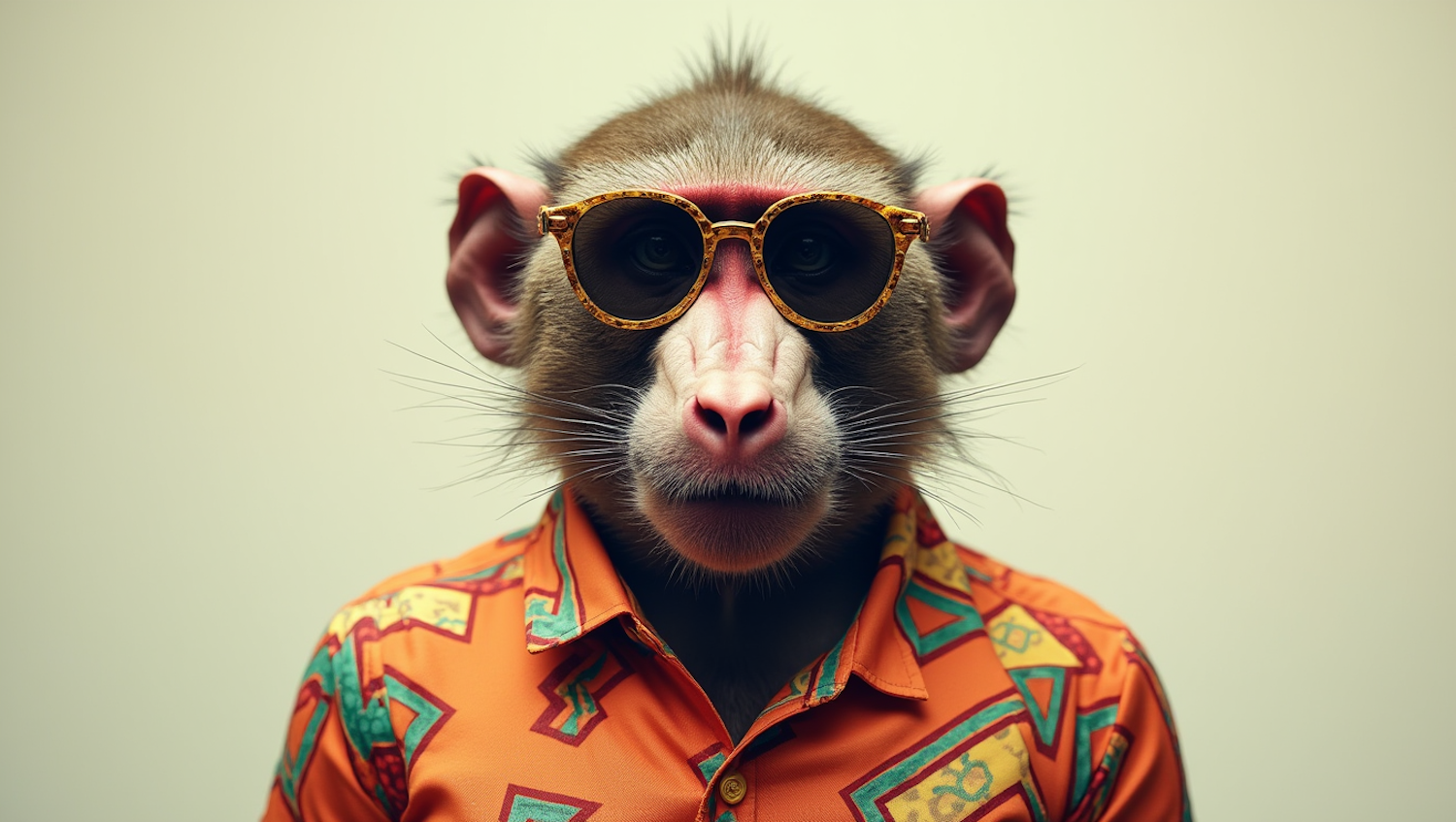
A monkey in a tiny suit playing a harmonica or stealing a hat from the audience was pure gold. These live acts were simple. The comedy came from the monkey acting like a funny person but with an animal’s unpredictable energy. Audiences could not get enough.
That popularity set the stage for early animation. When filmmakers started making cartoons in the early 1900s, they borrowed directly from vaudeville. The first cartoon characters were created as early as 1908 (MovieWeb). One early animated short even featured an anthropomorphic monkey as a main character, according to the history of animation (Wikipedia). The slapstick timing, the physical gags, the chaotic comedy, it all came straight from the vaudeville stage.
So before Mickey Mouse or King Louie, the funny monkey was already making people laugh in stories and on stage. That live performance DNA is still visible in today’s animated monkeys.
If you enjoy clever animal characters in fiction, you might also love stories where funny dogs steal the show. Check out books like Dog Man for more laugh-out-loud animal comedy.
For a full list of witty reads and author recommendations, Browse Recommendations to find your next hilarious book.
Golden Age of Animation (1920s–1960s)
When sound came to cartoons in the late 1920s, the funny monkey found a new playground. The Golden Age of Animation, from the 1920s through the 1960s, was a boom time for studios like Disney and Warner Bros. (Zedem Media). And monkeys were right there, swinging into the spotlight.
Disney gave monkeys early roles in movies like The Three Caballeros and Dumbo. These were not lead characters, but they brought the same chaotic energy that vaudeville audiences loved. A monkey playing a band instrument or causing a mess in the circus was pure gold. According to the history of animation on Wikipedia, early animated shorts already featured anthropomorphic monkeys as main characters, proving the funny monkey was a natural fit for cartoons.
Warner Bros. took a different path. Their primates were more anarchic and wild. Think of the hyperactive monkeys that popped up in Looney Tunes shorts. They did not follow rules. They just went for the gag. That style of comedy would influence all sorts of funny characters later on, even funny dogs and funny people in other media.
Then came a quieter, smarter funny monkey: Curious George. First published in 1941, George was not a slapstick jokester. He was a curious little monkey whose adventures taught kids about problem solving and mischief in a gentle way. He became a giant in children’s literature and later jumped into animation. That shift from pure chaos to character-driven humor changed how we see monkeys in stories.
If you love the mischief of funny animals like Curious George, you might also enjoy stories where funny dogs steal the show. Check out books like Dog Man for more laugh-out-loud animal comedy.
And for more great picks, Browse Recommendations to find your next hilarious read.
Modern Era and Digital Media (1990s–2026)
The Golden Age gave us the blueprint. The Modern Era, starting in the 1990s, built an empire on it. Computer animation changed the game, and the funny monkey adapted perfectly.
Disney led with two iconic primates. Abu in Aladdin (1992) was a master of clever mischief. Rafiki in The Lion King (1994) mixed wisdom with eccentric humor. Both showed how animation grew into deeper storytelling, as covered in the history of animation.
Monkeys also moved into video games. Donkey Kong and his sidekick Diddy Kong brought chaos to platforms worldwide. Their rivalry and teamwork were packed with good jokes and silly animation.
In the streaming era, the trend continues. Boots from Dora the Explorer teaches kids curiosity and laughter. Lego Monkie Kid reimagines the legendary Wukong for a new generation.
The funny monkey has traveled far from vaudeville. If you love these adventurous characters, you will enjoy stories where funny dogs and witty heroes steal the show. For more laughs, Browse Recommendations to find your next great read.
Why We Laugh: The Psychology Behind Humorous Animal Characters
Have you ever wondered why a monkey stealing a hat or tripping over its own tail makes you crack a smile? There is real psychology behind why we find these funny animal characters so hilarious. It turns out three major theories explain it all.
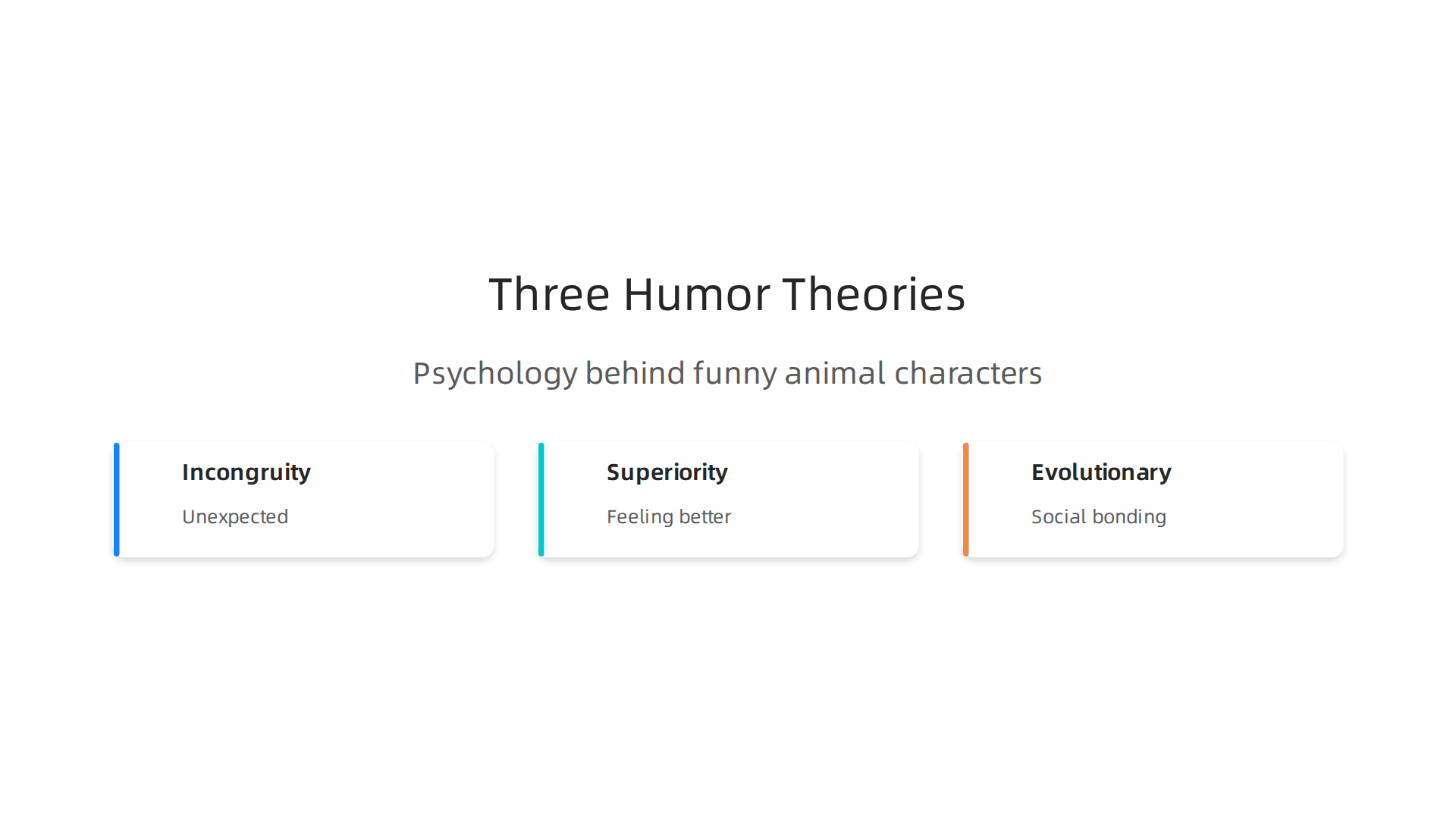
Incongruity theory says we laugh when something surprises us or does not fit what we expect. Monkeys are almost like people. They have hands, faces, and emotions that feel familiar. But then they act in completely unexpected ways. They throw bananas, make silly faces, or solve problems in ridiculous ways. That gap between human-like and wild creates a perfect little puzzle. Your brain loves solving it with a laugh. As one scholar puts it, we laugh at things that are unexpected and incongruous.
Superiority theory takes a different angle. It suggests we laugh because we feel better than the monkey. When a monkey slips on a peel or falls out of a tree, we think, "I would not do that." That tiny boost of confidence feels good. It is not mean. It is just our brain reminding us that we are smarter, safer, or more in control. This is why slapstick with monkeys works so well. The character messes up, and we feel a little superior in a harmless way.
Evolutionary perspective adds another layer. Laughter itself is a social cue. When primates, including humans, laugh together, it strengthens bonds. Watching a funny monkey makes us smile and want to share the moment with someone else. It triggers those same bonding instincts. That is why a good joke or a funny monkey scene feels better when you watch it with friends.
These theories help explain why characters like Abu, Rafiki, or Boots keep us laughing generation after generation. They surprise us, make us feel clever, and bring us together.
If you enjoy learning about what makes us laugh, you might also like exploring stories where funny dogs and other clever animals steal the show. For more recommendations, browse our curated list of humorous reads.
The Uncanny and the Familiar: Monkey as Mirror
Think about a monkey for a second. It has hands like yours. It makes facial expressions you recognize. It even gets frustrated, happy, or curious in ways that feel deeply familiar. But here is the twist: a monkey is not human. That gap between "almost like us" and "definitely not us" is a rich playground for comedy. It is what scholars call the incongruity between expectation and reality, a core trigger for laughter according to the incongruity theory of humor.
Monkeys act as a mirror. They reflect our own behaviors back at us, but with a slightly warped reflection. When Abu in Aladdin steals fruit or jewelry, he is not just being a funny monkey. He is mirroring human greed and mischief in a pure, uncomplicated form. We laugh because we recognize the impulse, but we feel superior because we know better. That mix of recognition and distance is pure comic gold.
Rafiki from The Lion King works differently. He is wise, eccentric, and cracks nuts on Simba’s head. His humor comes from the clash between the sacred and the silly. A baboon acting like a shaman is familiar enough to feel real, but unexpected enough to make us chuckle. This is exactly what the superiority theory of humor describes: we feel a little smarter than the character, and that feels good.
These characters show us our own flaws and strengths in a safe, entertaining way. They let us laugh at ourselves without feeling attacked. If you enjoy stories where animals help us see ourselves more clearly, check out how funny dogs in literature pull off a similar trick.
And if you are ready for a story where a ridiculous monkey-like alien turns the whole universe upside down, start the adventure of The Ridiculous. It is a sci-fi comedy built for curious readers who love a good laugh.
Incongruity Theory in Action: The Monkey’s Unexpected Behavior
We just talked about how monkeys blur the line between familiar and strange. That gap is where the incongruity theory really shines. Put simply, this theory says we laugh when something surprises us and doesn’t fit our expectations. The incongruity theory of humor calls this a clash between what we anticipate and what actually happens. And funny monkeys are masterful at creating that clash.
Take Donkey Kong. He is a giant ape. But he does not just sit in a jungle eating bananas. He climbs construction sites and throws barrels at a plumber. That is completely unexpected. A gorilla in a hard hat? That gets a laugh because it breaks every stereotype about what a monkey should do. The joke works because our brain says "ape equals forest," but the game shows us "ape equals factory." That gap makes us chuckle.
Now think about Curious George. He is a little monkey who gets into big trouble by doing very human things. He rides a bike. He paints a room. He flies a kite indoors.
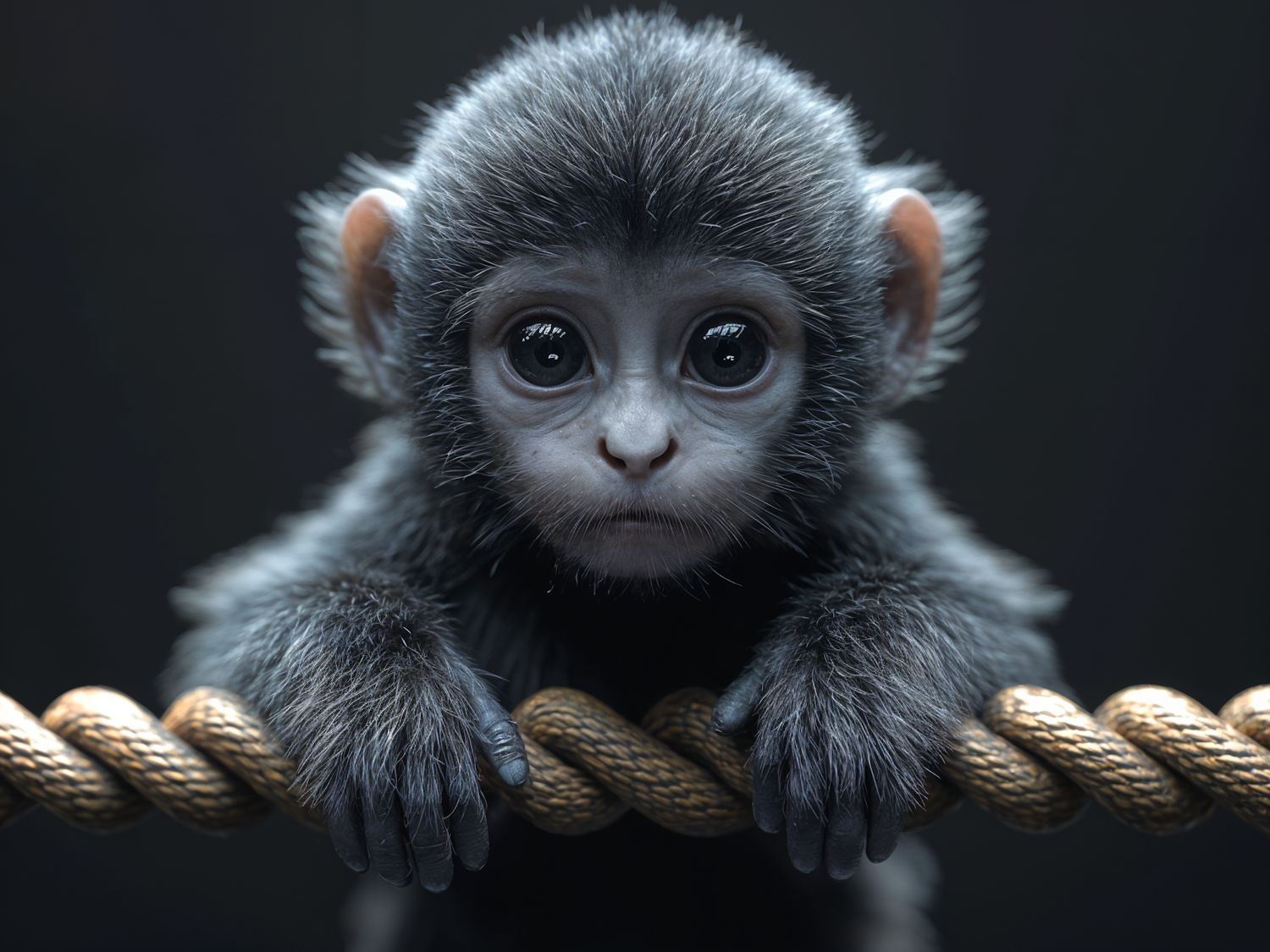
None of that is normal monkey behavior. His innocent mischief creates humor because we see a creature acting way outside its natural role. Writers set up a normal human scene, then drop George into it. The surprise is the punchline.
So how do you write a joke like this? You build an expectation, then break it. Set up a situation where a monkey should act one way, then have it act another way. The bigger the gap between what we expect and what happens, the harder we laugh. Good jokes rely on spotting those gaps and exploiting them.
If you love seeing animals break the rules for a laugh, you might also enjoy how funny dogs in literature pull off the same trick. And if you want more recommendations for laugh-out-loud reads, browse our curated lists to find your next favorite funny book.
Iconic Funny Monkey Characters: A Deep Dive
Now that we know how surprise and broken expectations create laughs, let’s examine the most famous funny monkey characters that have been making us chuckle for decades.
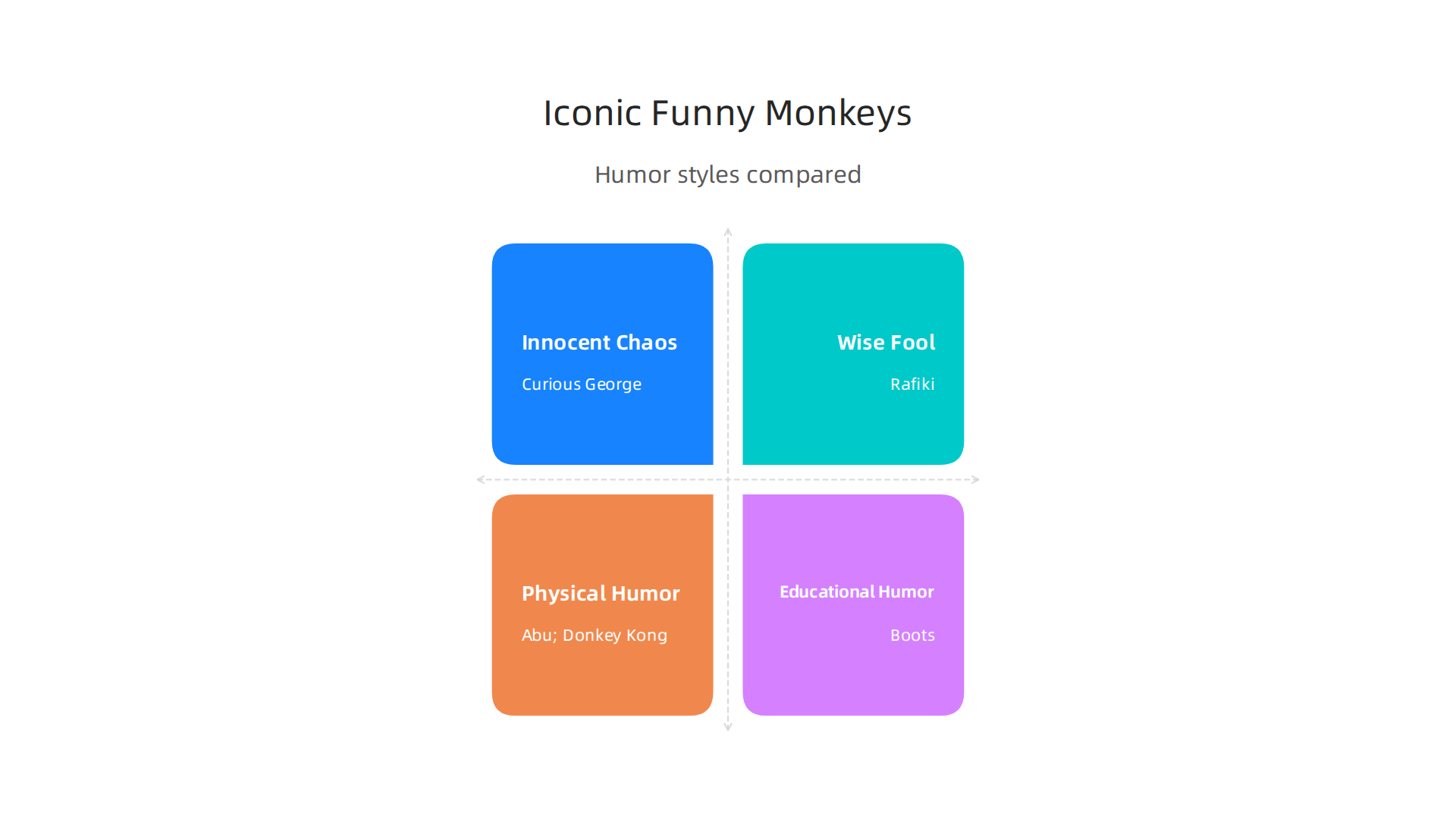
Each one uses a different flavor of humor, but they all rely on the same trick: acting in ways we don’t expect from a monkey.
Curious George: Innocent Chaos
George is the classic example of a funny monkey. Created by Margret and H.A. Rey, this little guy has been getting into trouble since 1941. The Curious George series shows a monkey who is "curious, clever, compassionate, adventurous, imaginative, innocent, cute, intelligent, adorable, naive, precocious, well-meaning, kind, playful" (according to the Curious George Wiki). His humor comes from pure innocence. He doesn’t mean to cause problems. He just wants to explore. And that exploration leads to things like painting a room with a hose or building a boat that sinks. The comedy works because we see a childlike animal trying to do adult things. That gap between his sweet intentions and the messy results is what makes us laugh. If you enjoy that kind of innocent mischief from animals, you might also enjoy how funny dogs in literature pull off similar antics.
Rafiki: The Wise Fool
Rafiki from The Lion King is a different kind of funny monkey. He is a mandrill, but he acts like a crazy old shaman. He hits Simba on the head with a stick. He babbles nonsense. He laughs at his own jokes. But underneath all that, Rafiki tells deep truths. This is the "wise fool" character. He uses humor to deliver serious messages. When he shows Simba his reflection and says "Look harder," it is both funny and profound. Rafiki proves that a funny monkey can also be smart.
Abu: The Physical Comedy Sidekick
Abu from Aladdin is all about slapstick. He steals, he makes faces, he gets chased. His humor is physical. He doesn’t speak much, but his expressions and actions say everything. When he tries to grab the giant ruby and gets squished, we laugh because he overreaches. Abu is the perfect comic sidekick. He adds lightness to serious scenes. His mischief often backfires, and that backfiring is where the good jokes live.
Boots: Learning Through Mishaps
Boots from Dora the Explorer is a gentle funny monkey. He is Dora’s best friend and a source of educational humor. His humor is repetitive and predictable, which works for young kids. He might trip, say something silly, or get confused. These mild mishaps teach children that it is okay to make mistakes. Boots shows that a funny monkey does not have to be wild. Sometimes a little stumble is all you need.
Donkey and Diddy Kong: Video Game Comedy
We already touched on Donkey Kong earlier. But Diddy Kong deserves a mention too. Diddy is smaller, faster, and more energetic. His exaggerated movements and squeaky sounds add comedy to the game. He falls, gets knocked out, and bounces back. Video game monkeys often rely on that over-the-top action. They make us laugh while we play.
These characters prove that a funny monkey can be curious, wise, clumsy, or energetic. The surprise element is always there. If you want to explore more laugh-out-loud characters across different media, browse our curated recommendations to find your next favorite funny book.
Curious George: The Mischievous Innocent
You know that feeling when a little kid tries to help bake a cake and ends up dumping flour everywhere? That is Curious George in a nutshell. Created by H.A. and Margret Rey back in 1941, this little monkey has been charming readers for over 80 years. The Curious George series shows a character driven by pure curiosity without a trace of malice. He never means to cause problems. He just wants to explore, taste, and try everything.
According to the Curious George Wiki, the character is described as "curious, clever, compassionate, adventurous, imaginative, innocent, cute, intelligent, adorable, naive, precocious, well-meaning, kind, playful."

That mix of innocence and mischief is the secret behind every good joke. When George tries to help by painting a room, he ends up painting the floor too. When he builds a boat, it sinks right away. The comedy comes from that gap between good intentions and chaotic results.
What makes George so timeless is that he never learns his lesson. And we love him for it. His adventures have moved from picture books to TV shows, movies, and even a YouTube channel with hours of new content. If you enjoy that kind of innocent animal mischief, you might also like how funny dogs in literature create chaos with the same sweet energy. After you finish laughing at George, browse our curated recommendations to find more funny characters to love.
Rafiki: The Wise Fool
Now let us talk about a different kind of funny monkey. Rafiki from Disney’s The Lion King is not cute and clumsy like George. He is a wise fool. A shaman who hits people with a stick and then laughs at his own joke. If you have seen the movie, you know exactly what I mean. Rafiki uses laughter and riddles to guide Simba when the young lion is lost and feeling sorry for himself.
The comedy here is sneaky. On the surface, Rafiki looks silly. He makes strange faces and talks to himself. But underneath, every gag has a point. When he bonks Simba on the head, it is slapstick. But the real joke is that Simba needed that knock to wake up. That is the secret to good jokes in fiction. The fool who pretends to be dumb but is actually the smartest person in the room.
Robert Guillaume voiced Rafiki with a mix of playfulness and wisdom. You can hear the smile in his voice. If you love characters that blend wisdom and weirdness, check out how funny dogs in books pull off the same trick. Characters like Dog Man mix slapstick with heart in a way that feels very similar. And if you want to laugh while thinking about big life questions, you might enjoy a sci-fi comedy that does exactly that. Give it a try and read Book 1 of The Ridiculous series, where humor and cosmic chaos collide.
Abu: The Sidekick Who Steals the Show
Now let’s shift from the wise fool to the sidekick who steals every scene. Abu from Disney’s Aladdin (1992) is a pickpocketing monkey with a face so expressive you always know what he’s thinking. He doesn’t talk, but his eyes, eyebrows, and frantic gestures say more than words. That makes him one of the most lovable funny monkeys in animation history.
Abu’s humor comes from his sneaky behavior and his instant reactions. He snatches apples, hides from guards, and makes terrified faces that get big laughs. But his physical comedy isn’t just silly. It also shows his loyalty. When he risks himself to steal back the magic lamp, that single moment turns his mischief into heart. Compare him to Iago, the parrot sidekick, who uses sarcastic jokes. Abu relies on pure slapstick and emotion.
If you enjoy animal sidekicks who mix humor with heart, you might also like how funny dogs do the same trick in other books. For a great example, check out the bounty hunter dog comedy that makes fiction funnier. And if you want more funny monkey energy in a wild sci-fi adventure, give your next laugh a chance and read Book 1 of The Ridiculous series.
Boots the Monkey: Educational Humor in Preschool TV
From a sneaky pickpocket to a sweet preschool buddy. Boots from Dora the Explorer (which ran from 2000 to 2019) is a cheerful, slightly clumsy monkey who helps Dora on her adventures. His humor is gentle. It comes from his misunderstandings and his wild excitement. He is a funny monkey who makes his mistakes in a safe, friendly world.
This kind of humor does more than just get giggles. In educational TV, laughter aids retention in young viewers. When Boots trips over a rock or mixes up the words to a song, kids laugh. That laugh makes the moment stick. It proves that good jokes are a powerful teaching tool. This is similar to how Curious George uses curiosity and playful mistakes to teach problem-solving. Both characters show that a funny monkey can also be a smart friend.
If you like watching characters like Boots learn through laughter, you will probably love reading about them too. For early readers who enjoy silly animal heroes, check out books like Dog Man to keep the laughter going. And for the grown-ups, there is plenty of humor written just for you. Browse Recommendations on Humorous Fiction to find your next riotous read.
Donkey Kong & Diddy Kong: Video Game Comedy Through Exaggeration
Now let’s jump from preschool TV to the arcade. Donkey Kong started as a big, barrel‑throwing villain in 1981. Over time, he became a hero with exaggerated strength and huge facial expressions. His buddy Diddy Kong is the opposite: smaller, faster, and always nervous. This contrast creates nonstop good jokes on screen.
Their humor is pure slapstick. Donkey Kong pounds his chest and flexes. Diddy squeaks and flails. They trip over bananas, fall off cliffs, and make ridiculous faces. It’s the kind of over‑the‑top physical comedy that works perfectly in a video game. Like Curious George, who has been teaching kids through playful mistakes for decades, these two show that a funny monkey doesn’t need words to get laughs.
The banana‑themed gags and wild animations make every level feel like a cartoon. If you enjoy this style of laugh‑out‑loud adventure, you’ll also love stories with funny dogs and clever chaos. Check out The Bounty Hunter Dog for another take on exaggerated comedy. And for a full book series that turns absurd humor into a wild ride, grab Book 1 of The Ridiculous – a sci‑fi comedy that embraces every silly idea.
Crafting Comedy: How Writers and Animators Build Humor with Monkey Characters
Have you ever watched a monkey character try to use a smartphone and cracked up? That moment feels silly because it breaks our expectations. That’s the secret sauce behind almost every funny monkey in books, movies, and games. Writers and animators use a handful of clever tricks to turn a simple primate into a comedy machine.
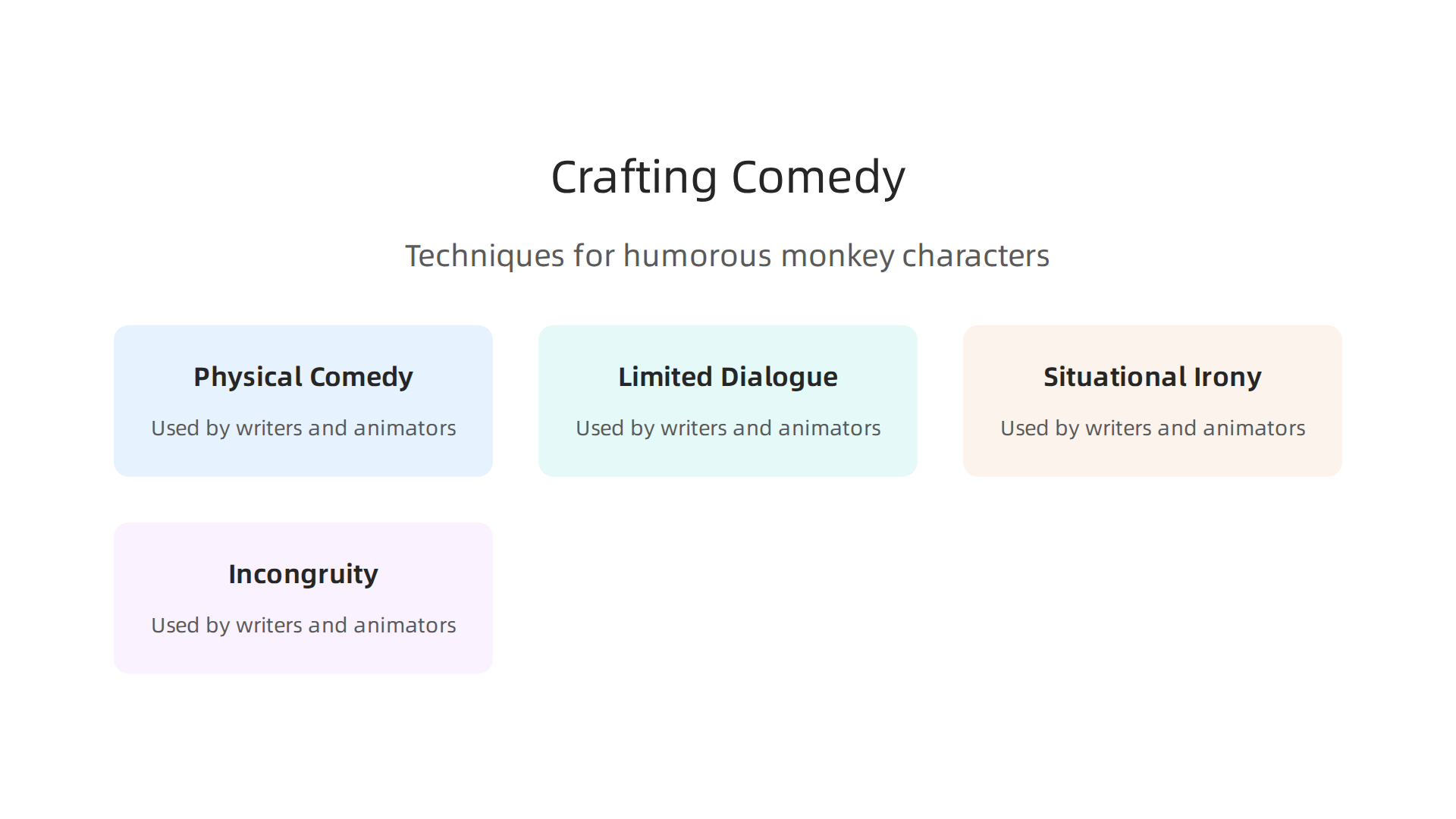
Physical comedy comes first. Monkey characters can stretch, tumble, and make wild faces in ways human actors can’t. Think of Donkey Kong pounding his chest or Diddy Kong tripping over his own feet. These exaggerated movements land as good jokes because they’re bigger than life. Animators push every pratfall to the limit, and we laugh at the sheer absurdity.
Then there’s the dialogue. Monkey characters rarely speak in full sentences. Instead, they use squeaks, grunts, and a handful of words. That limited vocabulary creates comedy in two ways. First, it forces writers to get creative with gestures and tone. Second, it makes the character feel childlike and unpredictable. When a monkey grunts angrily at a human who just took his banana, the audience fills in the missing words themselves. That mental gap is where laughter lives.
Situational irony is the biggest weapon. Put a monkey in a human setting, and you instantly create natural comedic tension. This matches what comedy researchers call the incongruity theory of humor – we laugh at things that are unexpected or out of place. A monkey in a business suit? Funny. A monkey driving a car? Hysterical. A monkey trying to order coffee? Pure gold. The contrast between the character’s animal instincts and human expectations makes us see both sides in a new light.
These same techniques pop up everywhere. You see them in funny dogs who act like humans in cartoons, in funny people who lean into exaggerated reactions, and even in viral funny pics meme collections that capture a split-second ironic moment. Once you recognize the pattern, you’ll spot it in every comedy you watch.
Understanding how the comedy works makes it even more enjoyable. If you want to see these principles applied in a full book series that mixes sci‑fi chaos with absurd humor, start with Book 1 of The Ridiculous. And for more deep dives on what makes funny fiction tick, check out our guide to humor literary magazines and how they shape modern comedy writing.
Physical Comedy and Animation Principles
Animation brings these principles to life in a unique way. You already saw how writers and animators use physical comedy, dialogue, and situational irony to make a funny monkey character. But the real magic happens when you look at how animators adapt classic rules like squash and stretch, anticipation, and timing specifically for primate characters.
Squash and stretch works perfectly on monkeys. Their flexible bodies let animators push shapes to the extreme.
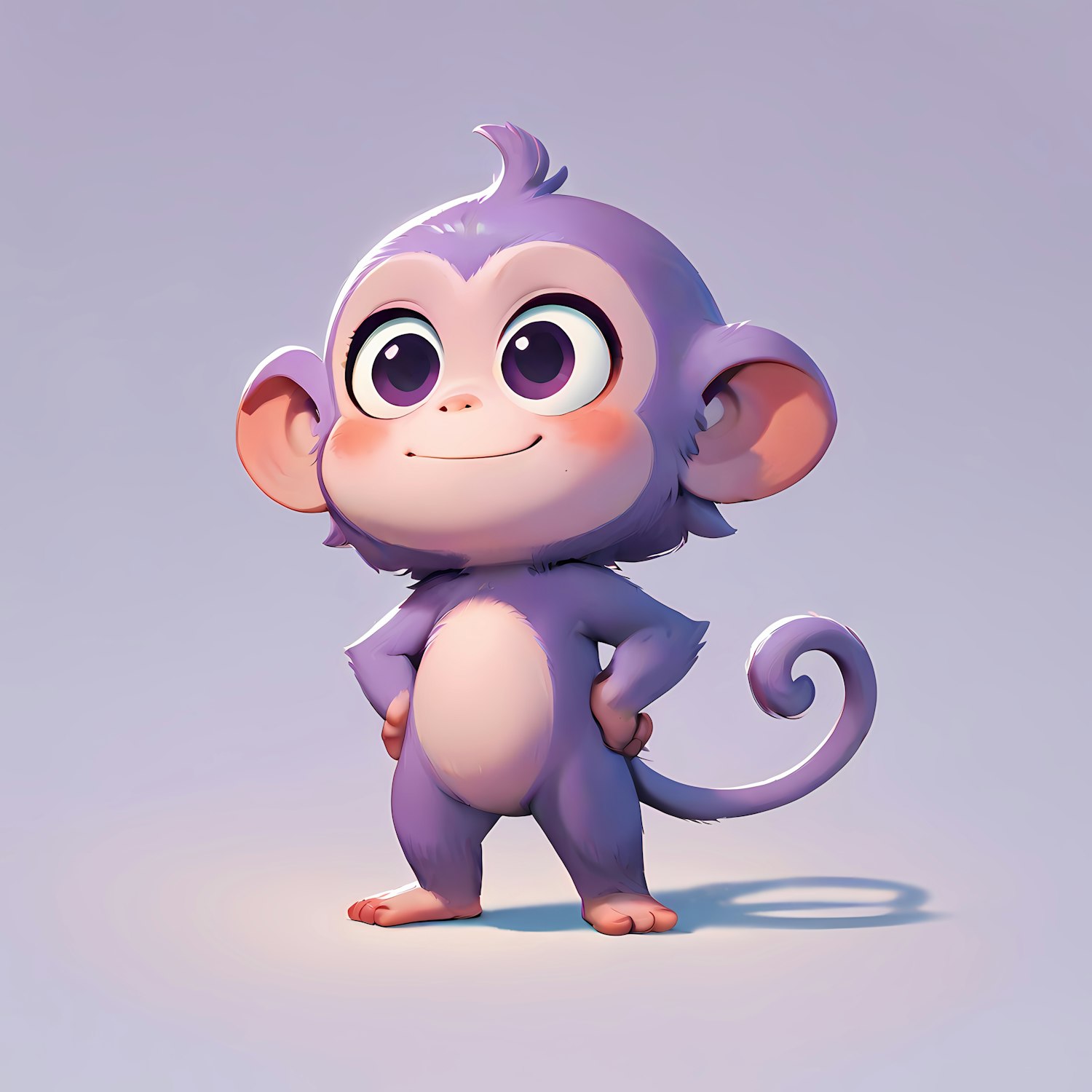
When a monkey character leaps, the artist stretches the body out long. When the monkey lands, it squashes flat like a pancake. This exaggerated movement feels natural because we already think of monkeys as bouncy and unpredictable. The timing of these moves matters a lot. Quick, snappy movements create a different laugh than slow, heavy ones.
Tails and ears become extra tools for comedy. Human characters can only rely on facial expressions and body language. Monkey characters have tails that curl, snap, and point for extra emphasis. Their ears can perk up, droop down, or twitch to show emotion. These small appendages add layers of good jokes without needing any words at all. A tail that droops in shame or an ear that wiggles with excitement tells the whole story.
Let’s look at a masterclass example: Rafiki from The Lion King. Disney animators gave Rafiki a very distinct physical rhythm. He moves with a hunched shuffle, walks with a stick, and makes quick, jerky head turns. His timing breaks all the smooth rules of human movement. He pauses awkwardly before every action. He makes sudden bursts of energy for no reason. That unpredictable timing creates surprise, which is the core of the incongruity theory of humor. We laugh because we never know what he will do next.
This principle works for other animal characters too. You can see similar techniques used to create funny dogs in cartoons, where floppy ears and wagging tails replace words. The same exaggerated timing shows up in funny people who lean into clumsy movements. And you will definitely spot it in any funny pics meme that captures a perfectly timed, surprising moment.
If you want to see these animation principles applied in a full book series that mixes sci-fi chaos with absurd physical humor, start with Book 1 of The Ridiculous. And for more laugh-out-loud character breakdowns, check out our guide to the bounty hunter dog comedy that shows how these same tricks create humor across genres.
Dialogue and Sound Design for Monkey Humor
You have seen how their bodies move. Now let us talk about what you hear. Funny monkey characters in cartoons do not talk much. They do not need to. Their limited vocabulary of shrieks, grunts, and chattering sounds does all the heavy lifting.
Think about Abu from Aladdin. He barely says a real word. But his excited shrieks tell you he found treasure. His fearful screeches tell you danger is near. This surprises us every time. According to the incongruity theory of humor, we laugh when something unexpected happens. A tiny monkey making a huge sound fits that perfectly.
Voice actors help a lot here. They learn to modulate their tone for monkey characters. They use high squeaks for excitement and low growls for anger. They speed up or slow down the rhythm of the sounds to match the action on screen. This makes the character feel alive and unpredictable.
Sound effects add the final layer of comedy. Monkey chatter in the background sets the scene. The thud of a falling body or the slip of a banana peel creates a perfect timing joke. These auditory gags help create good jokes that work in any language.
The same tricks work for other characters too. You can see similar vocal choices in cartoons starring funny dogs. Their barks, whines, and howls replace full sentences. And you can see the same timing in any funny pics meme that uses a perfectly timed caption.
Want to see these comedy principles work across a whole book series? Browse our recommendations for character-driven humor.
The Role of Funny Monkey Characters in Humorous Fiction Literature
We just talked about funny monkey sounds in cartoons. But the truth is, the funny monkey has been making readers laugh long before animation existed. These characters have a rich history in books, and they still bring good jokes to the page today.
Literary origins that still work
Stories about mischievous monkeys go back thousands of years. Aesop’s fables featured clever monkeys who got into trouble because of their curiosity or greed. These early tales used the monkey as a stand-in for human flaws. The humor came from seeing ourselves in the animal’s silly mistakes. That is the same trick modern authors use.
Notable monkey protagonists in humorous fiction
Fast forward to today, and you will find novels that carry on this tradition with modern wit. One great example is Bad Monkey by Carl Hiaasen. This book uses satire to highlight corruption and environmental problems, all through the antics of a misbehaving monkey. The SuperSummary analysis of Bad Monkey points out that the novel "uses satire not just to criticize but also as a call to action." The monkey’s wild behavior makes the serious topics fun to read about.
Another classic is the Monkey King from Journey to the West. This character is both funny and thoughtful. He uses his tricks and chaos to teach lessons about life. The LitHub article on the Monkey King describes the character as offering "spiritual clarity and satirical play," blending comedy with deeper meaning. Readers laugh at his silly antics while also getting the hidden message about society.
Why they work in books
Monkey characters in literature let authors make fun of serious topics without being too harsh. The reader laughs at the monkey’s ridiculous actions, but they also understand the real world joke underneath. This makes the humor stick with you longer than a simple pun.
The same comedy techniques work for other animal characters too. If you enjoy monkey humor in books, you will likely also love stories starring funny dogs or other animals. To discover more authors who master this kind of character driven comedy, check out our guide to humor literary magazines which are great sources for finding fresh voices.
Find your next laugh
Want to explore more books with funny animal characters and sharp satire? Browse Recommendations for curated picks that will keep you smiling through every chapter.
Memorable Monkey Protagonists in Novels
A funny monkey in a novel does much more than make readers laugh. These characters actually drive the story. Their silly choices create problems. Their curiosity leads to new situations. And their lack of shame lets authors explore serious topics in a light way.
Take The Monkey that Wouldn’t Be by Gerald Durrell. This charming memoir introduces Cholmondeley, a pet monkey who turns a quiet home into a nonstop adventure. Cholmondeley steals keys, escapes the garden, and constantly outsmarts both humans and funny dogs. Every chapter brings a fresh disaster. But that chaos is what moves the story forward. Without the monkey, there would be no plot. The animal’s personality creates every single twist and turn.
This is how the best monkey novels work. The author builds the story around the monkey’s natural behavior. The monkey is not a side character. It is the main event. Readers get good jokes on every page, but they also get a real narrative payoff. The monkey’s antics serve a purpose.
As the MeetNewBooks platform notes, these adventure and satire books are filled with wit and memorable characters. The monkey is often the most unforgettable of them all.
If you love animal driven comedy, you will also find plenty of laughs in our collection of funny dog books. They use the same trick of letting animal nature create the humor.
Need a new read that keeps you smiling? Browse Recommendations for curated comedy novels that get the formula right.
Satirical Uses: Monkey as Mirror to Society
A funny monkey in a novel can do more than make us laugh. It can hold up a mirror to our own world.

Some of the best satirical writers use monkeys to critique politics, celebrity culture, and plain human absurdity. The monkey’s antics become a vehicle for sharp social commentary.
Take Bad Monkey by Carl Hiaasen. This novel uses satire not just to mock but also as a call to action. According to SuperSummary, the book amplifies the absurdities of corruption and environmental degradation. The monkey character is the perfect tool for that. It exposes the silliness of the funny people in power who take themselves too seriously.
The tradition goes back centuries. The Monkey King from Journey to the West is a famous example. As Literary Hub explains, the Monkey King works as a spiritual allegory and anarchic satire. It makes you laugh while questioning authority and human nature. That is the real power of a satirical monkey. The line between comedy and social commentary blurs. The good jokes land, but so does the point.
If you enjoy satire that makes you think, the Ridiculous series delivers exactly that kind of smart, playful commentary. Read Book 1 to see how absurd humor can still hold a mirror to society.
For more satirical novels that mix laughter with insight, check out the curated lists at humor literary magazines. They are a great place to find authors who use comedy as their sharpest tool.
Leveraging the Funny Monkey Trope in Your Own Writing
So you have seen how a funny monkey can drive satire and make us laugh. Now maybe you want to create your own. The good news is that you do not need to start from scratch. The archetype is already rich with meaning. But you do need to avoid the traps that make a monkey character feel flat or cliched.
Understand the Archetype: Trickster, Innocent, or Wise Fool
A funny monkey usually plays one of three roles. The trickster is clever and chaotic, like the Monkey King. The innocent is naive and clumsy, which leads to good jokes without malice. The wise fool says silly things that somehow reveal a deep truth. Pick one role as your starting point. It will guide how your monkey talks, acts, and reacts to other characters.
Create Original Characters That Avoid Cliches
Many writers fall into the same old traps. The monkey who only eats bananas. The sidekick who screeches at everything. The pet that mimics human gestures for a cheap laugh. Don’t do that. Instead, give your monkey a unique personality. Maybe it is a grumpy monkey who hates being funny. Or a monkey who is secretly a philosopher. Think about what makes real monkeys interesting. They are curious, social, and sometimes stubborn. Use those traits.
To build depth, borrow from writing advice that stresses character motivation. As experts at Writer’s Digest remind us, the best characters come from understanding their wants and fears.

Your monkey should want something, even if it is just a better snack or a quieter tree. That want drives the humor and the story.
Balance Humor with Character Depth
A funny monkey is not just a joke machine. Readers need to care about them. Mix silly moments with real emotions. Maybe your monkey makes a mess of things but also feels lonely. Maybe it tells a joke that hides a sad truth. That balance is what makes characters stick in readers’ minds.
Think of how other animals work in comedy. For another example of making an animal character funny and believable, check out this article on using a dog in comedy. The same principles apply. A well-written animal makes readers laugh and feel at the same time.
When you are ready to put your ideas into practice, start small. Write a short scene where your monkey interacts with a funny person or finds itself in a ridiculous situation. Let the humor come from its personality, not just its species.
For more inspiration and examples of funny animal characters done right, browse our recommendations for books that balance laugh-out-loud moments with genuine heart.
Tips for Creating Original Monkey Characters
Now let’s focus on three practical tips to bring your funny monkey to life. These will help you avoid flat characters and create someone readers actually care about.
Start with a distinct personality trait. Pick one strong quality like curiosity, greed, or wisdom. Then exaggerate it. A monkey who is endlessly curious will poke into places it should not. That leads to chaos and laughs. A greedy monkey will scheme for bananas in clever ways. The key is to make that trait drive every scene. As experts at Writer’s Digest explain, great characters come from understanding their core wants. Your monkey’s want should be simple and funny.
Give your character a unique comedic voice. How does your monkey talk? Does it use big words awkwardly? Does it speak in short, grumpy bursts? The voice should match the personality. A wise fool might say something silly that hides a real truth. A trickster might talk fast and twist words. Dialogue is where the personality really shines. Think about how you would write a conversation between your monkey and a funny person. The contrast can create good jokes on its own.
Use the monkey’s animal traits to enhance physical comedy. Monkeys are agile, social, and expressive. Use that. Let your monkey swing in at the wrong moment. Let it mimic someone’s gestures at the worst time. Let its curiosity lead to literal climbing trouble. These traits feel natural because they come from real monkey behavior. For another example of using animal traits in comedy, see how a well written dog character uses its canine nature to create laughs.
Put these tips into practice with a short scene. Let your monkey’s personality, voice, and animal instincts collide. The humor will feel earned, not forced.
For more inspiration and examples of funny animal characters done right, browse our recommendations for books that balance laugh-out-loud moments with genuine heart.
Avoiding Clichés: Beyond Banana Jokes and Mimicry
Let’s be honest. We have all seen the tired tropes. The banana hoarder. The copycat. The screeching pest. These characters feel flat because they rely on the easiest joke possible.
It is time to subvert expectations. Instead of a greedy banana hoarder, what if your funny monkey wants something more complex? What if the monkey collects stolen pocket watches or studies human philosophy? This shift creates depth. Great characters come from understanding their core wants, as experts at Writer’s Digest explain.
Here is a fun case. Imagine a funny monkey who works as a detective. Not a sidekick. A real detective. The monkey uses agility to reach clues, mimicry to impersonate suspects, and curiosity to ask the wrong questions at the right time. The comedy comes from the contrast between animal nature and a serious role. This creates good jokes that feel earned.
Give your monkey a purpose beyond comic relief. When the monkey has a real goal, humor flows naturally from the story. For more insight into original character work, see how humor literary magazines showcase inventive characters that break the mold.
Think beyond the banana. Your readers will thank you.
For more inspiration and examples of funny animal characters done right, Browse Recommendations for books that balance laugh-out-loud moments with genuine heart.
Conclusion: The Timeless Laughter of Our Primate Cousins
So here we are at the end of our journey together. We have covered a lot of ground. We looked at why the funny monkey makes us laugh. We explored the psychology of mimicry and the science of surprise. We studied iconic characters that set the standard. And we learned how to avoid the clichés that kill a good joke.
The truth is simple. The funny monkey is not going anywhere. These characters hold a mirror up to our own funny people behaviors. They show us our greed, our curiosity, and our chaos. That is why they have stayed with us for so long.
What comes next for the funny monkey in 2026?
Pop culture is demanding fresh stories. Audiences are smarter than ever. They can spot a lazy trope from a mile away. According to the pop culture predictions for 2026 discussed on The 8-Bit Show, creators are leaning into originality. They are building characters with real depth.
This tracks with what we see across the entertainment industry. Data is driving decisions. The SurveyMonkey Trends 2026 report shows that leaders use insights to understand what audiences actually want. Writers of humorous fiction can do the same. Study what makes good jokes land. Look at the niche communities that love these characters. The Closer Monkey rankings for 2026 prove that fans track primate characters with serious dedication.
The future belongs to monkeys with personality. Monkeys with purpose. Not just joke machines.
You can trust this guide.
We built it using real psychology. We looked at proven examples. We avoided fluff and focused on what works. When you sit down to write your next funny monkey, you have a foundation you can rely on.
Your next step.
Reading great humor is the fastest way to write great humor. We have done the hard work for you. We have curated a list of the best humorous fiction featuring animal characters that break the mold.
Browse Recommendations for books that balance laugh-out-loud moments with genuine heart.
And if you want to see a perfect example of how a witty, curious character drives an entire story, look at Ridiculous. It is a sci-fi comedy built for readers who love intelligence and absurdity in equal measure.
Read Book 1 and see the future of funny fiction for yourself.
Summary
This article traces the funny monkey archetype from ancient tricksters and vaudeville acts through the golden age of animation to modern CGI, games, and literature, explaining why these characters still make us laugh. It examines three psychological lenses—incongruity, superiority, and social bonding—that explain our reactions, and breaks down how different characters (Curious George, Abu, Rafiki, Donkey/Diddy Kong, Boots) use innocence, slapstick, or the wise‑fool trope. The piece also details animation and sound techniques (squash and stretch, timing, tails/ears, vocal design) that amplify monkey comedy, and offers practical writing advice for building original, non‑clichéd monkey characters. You’ll learn specific roles to pick (trickster, innocent, wise fool), how to balance humor with depth, and ways to use a monkey as satire or a narrative engine. The article closes by looking at what audiences want in 2026—originality and personality—and points readers to curated recommendations for more funny animal fiction.