Discover and Publish Humorous Fiction in Literary Magazines

Why literary magazines matter for discovering great humor
Finding truly funny books or stories can be tough, right? We live in 2026, and there are so many books and short stories out there. It’s easy to feel lost in all the choices. Sometimes, a book says it’s funny, but when you read it, you don’t even crack a smile. That’s because what makes us laugh is very personal. What one person finds hilarious, another might not. This makes it hard to know if a story with "humor" in its description will actually make you laugh out loud, whether it’s silly comedy or even dark humor. It can feel like searching for a needle in a huge haystack!
But don’t worry. There’s a special place where many great humorous stories begin: literary magazines. These magazines are like treasure chests for discovering new writers and amazing fiction.

They have been doing this for a long time, helping writers like F. Scott Fitzgerald share their early short stories with the world. Literary magazines are experts at finding, picking, and sharing really good writing, including the kind that makes you laugh. Think of them as trusted friends who know exactly where to find the best funny stories. They often feature different kinds of humor, from laugh-out-loud funny photos to stories that feel like your favorite stand-up comedian podcasts.
This guide will show you how literary magazines work. You’ll learn how they find and choose funny fiction. And the best part? We’ll teach you how to use this knowledge. If you’re a reader, you’ll discover how to find your next favorite humorous book. If you’re a writer, you’ll learn how to get your own funny stories noticed and published. For instance, understanding how these magazines find humorous pieces makes them the gold standard for funny books. This is important because learning the history and purpose of these publications can guide both readers and writers in the right direction when it comes to comedic literature.
Looking for Humorous Fiction? The Ridiculous brings absurd comedy into a full sci-fi story world, blending laughter with curious adventures. Try a witty read today.

You might be wondering what exactly makes a literary magazine different from other magazines you see. Well, think of it this way: most magazines you find on newsstands are "genre magazines." These often focus on one specific topic, like cars, fashion, or even funny photos of pets. They have a clear type of story or picture they share. But a literary magazine is a bit different.
What Are Literary Magazines?
A literary magazine is a special kind of publication that shares creative writing. This includes things like short stories, poems, and essays.
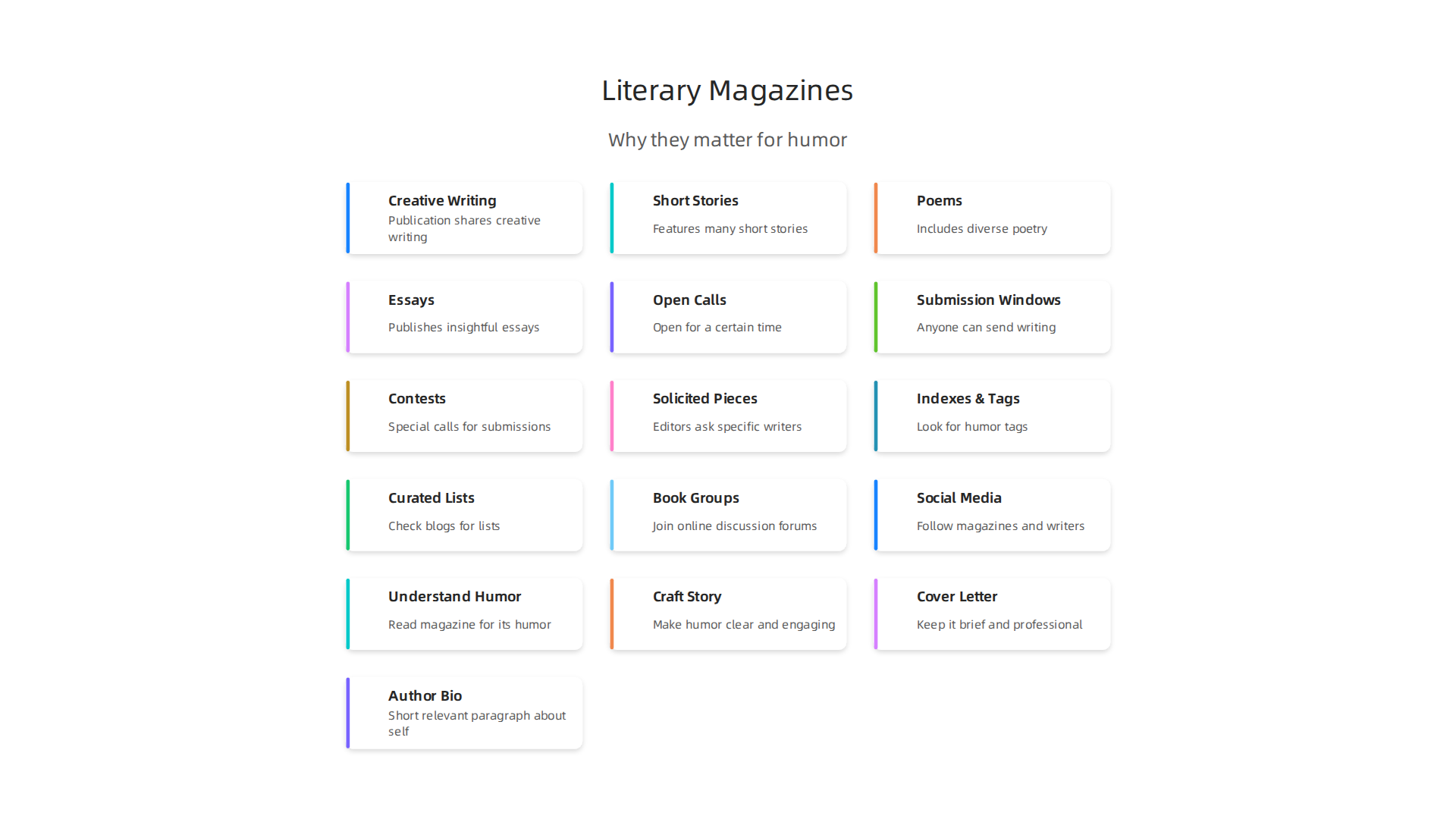
They are not about a single topic like cars or fashion. Instead, they care about good writing, no matter the topic. Many colleges and universities even have courses about the history and purpose of these magazines, showing how important they are for publishing new writing 2025-26 Warren Wilson College Catalog.
Unlike a magazine filled with funny photos, literary magazines are all about words. They can feature all sorts of humor, from lighthearted jokes to very serious stories with a touch of dark humor. You won’t find just one kind of funny here. They might have a short story that reminds you of your favorite funny history podcasts that make the past hilarious, or a witty essay that feels like a clever stand-up comedian podcasts routine.
Why They Matter for Humor
So, why are these magazines so good for finding funny stories? Here’s the thing: they are really good at finding "niche humor." This means funny stories that might not fit into a big, best-selling book right away. Many of these stories are short fiction, which are perfect little bursts of laughter. They also often publish satire, which is a clever way to make fun of serious topics to make a point.
Because literary magazines focus on quality writing over wide appeal, they give a chance to unique voices and different kinds of humor. They are often the first place new writers get discovered, helping shape what becomes popular later. It’s like they have a special radar for funny stories that you might never find anywhere else. They truly help new humorous writing shine and become recognized as the gold standard for funny books. To explore more about why these publications are so important, you can read about why humor literary magazines are the gold standard for funny books.
If you are looking for humorous fiction that brings absurd comedy into a full sci-fi story world, you should check out this witty read today. Looking for Humorous Fiction?
Literary magazines get their creative writing in a few key ways. It’s like they have different doors for stories and poems to come in.
How Literary Magazines Find Funny Stories
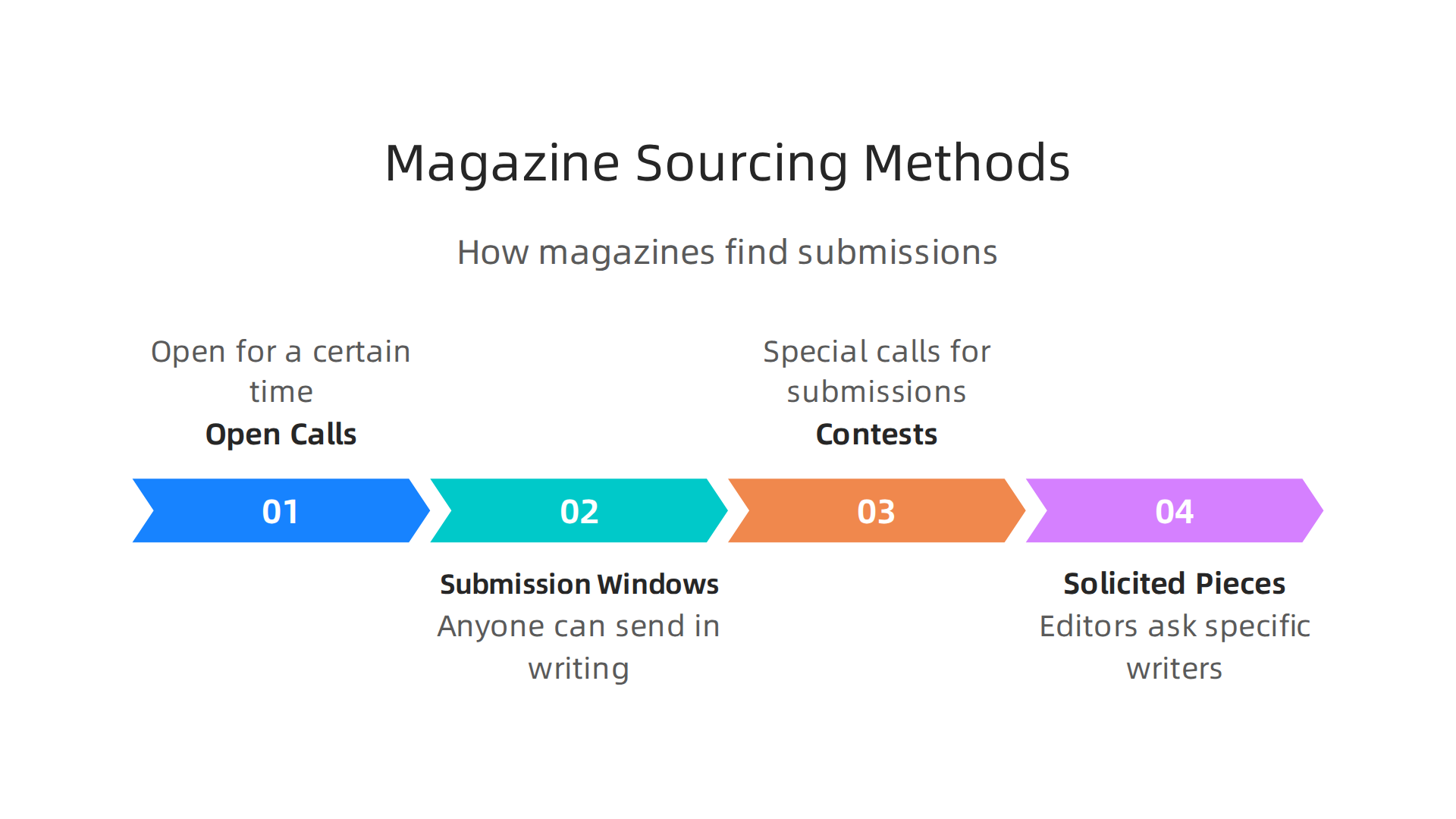
Most often, literary magazines have "open calls" or "submission windows." This means they open up for a certain time, like a few weeks or a month, and anyone can send in their writing.
For example, many magazines are looking for submissions in January 2026 2026 JAN Calls for Submissions. There are also places to find lists of over 100 literary magazines open for submissions in 2026 Best Literary Magazines: 100+ Places to Submit in 2026. Writers need to follow special rules, called submission guidelines, to make sure their work is looked at. These rules often say how long a story can be, what kind of font to use, and how to send it in Submission Guidelines | Esprit – University of Scranton. Some magazines, like The Diamond Line Literary Magazine, even invite submissions on specific themes, like "taboo topics" for their Issue 12 Issue 12 of The Diamond Line Literary Magazine Invites Taboo Submissions.
Another way magazines find great writing is through contests. These are special calls for submissions where writers can win prizes or get their work published. The City of San Diego Public Library, for example, holds a short story contest in 2026 2026 Short Story Contest. Sometimes, editors might ask specific writers they know to send in work. These are called "solicited pieces" or "invited contributors." This often happens with writers who are already well-known or have a style the editor really likes.
The Editors’ Role in Choosing Humor
Once stories come in, editors become like gatekeepers. They are the ones who read everything and decide what gets published. This is where "editorial taste" comes in. Editors look for writing that stands out, not just a bunch of funny photos. They want stories that are well-written and make you think.
When it comes to humor, editors are looking for more than just a quick laugh. They want clever humor, good satire, or even well-done dark humor that fits the magazine’s style. For some, a great story will have a strong start, pulling the reader in right away Submitting to Literary Magazines. Editors look for writing that feels new and fresh, maybe even like a unique take on a stand-up comedian’s best jokes. They read many submissions in special meetings, often discussing what they like and don’t like Spring 2026 Course Offerings.
An editor’s job is to pick pieces that show a "particular brand of excellence" and help grow a group of readers who like that kind of writing Submission Guidelines | AGNI Online. They want stories where the writing is strong and makes an impact, even if it’s funny A Few Things to Consider Before Submitting Your Work. It’s a tough job to choose, and many writers want to know what editors look for to succeed What Editors Want: A Must-Read for Writers Submitting to Literary Magazines. If you’re curious about why certain things make us laugh, you might enjoy learning about Why We Find Things Funny.
Beyond what makes us laugh, how a funny story is presented also matters a lot. Literary magazines use different kinds of writing to share humor.
These formats can change how a joke lands or how a funny idea feels to the reader.
Think about short pieces, like flash fiction. These are very short stories, sometimes just a few hundred words. For flash fiction, humor needs to be quick and sharp. A clever twist at the end or a funny situation that starts right away works well. It’s like a short, punchy joke you might hear from a stand-up comedian.
Next format: personal essays. These are longer stories where someone shares their own funny experiences. Here, the humor can be more thoughtful, maybe even a bit of dark humor if it fits the story. It allows for building up funny situations and exploring feelings more deeply.
Many literary magazines also feature satire sections. Satire is a type of humor that pokes fun at silly or bad things in the world, like politics or social trends, to make a point. Publications like McSweeney’s Internet Tendency are well-known for their satire, and you can find lists of many others that publish funny stories and essays 10 Magazines and Anthologies Publishing Humor. There are many literary magazines that specifically focus on humor, offering a place for funny pieces to shine List of humor magazines – Wikipedia.
Another common format is recurring columns. These are like ongoing series where a writer regularly shares funny observations or short stories. Readers often look forward to these columns because they get to know the writer’s unique voice and style.
Sometimes, literary magazines even include cartoons or other visual humor. Just like funny photos can make us laugh on social media, a well-placed cartoon can add another layer of humor to a magazine.
The length of a piece really changes the kind of humor that works best. A short piece, like a 500-word flash fiction story, needs a quick laugh. It might have a surprising ending or a very funny character in a silly situation. But a longer piece, like a 3,000-word comic story, can build up jokes, have many funny moments, and even tell a deeper story with humor woven throughout.
Literary magazines dedicated to humor are always on the lookout for new, funny voices Humor Literary Magazines Are The Gold Standard For Funny Books. Whether it’s a quick joke or a long, funny adventure, the right format helps the humor shine.
Now that we know about the many ways literary magazines share humor, let’s talk about how you, as a reader, can find these funny stories. It can feel like a big search to find just the right laugh. Luckily, there are easy ways to discover humorous fiction in these special publications.
Finding humorous fiction in magazines: search strategies for readers
Finding funny stories is all about knowing where to look and how to ask. You can use simple tricks to find literary magazines that publish humor.
First, look for indexes and tags. Many websites that list literary magazines will have tags like "humor," "comedy," or "satire."
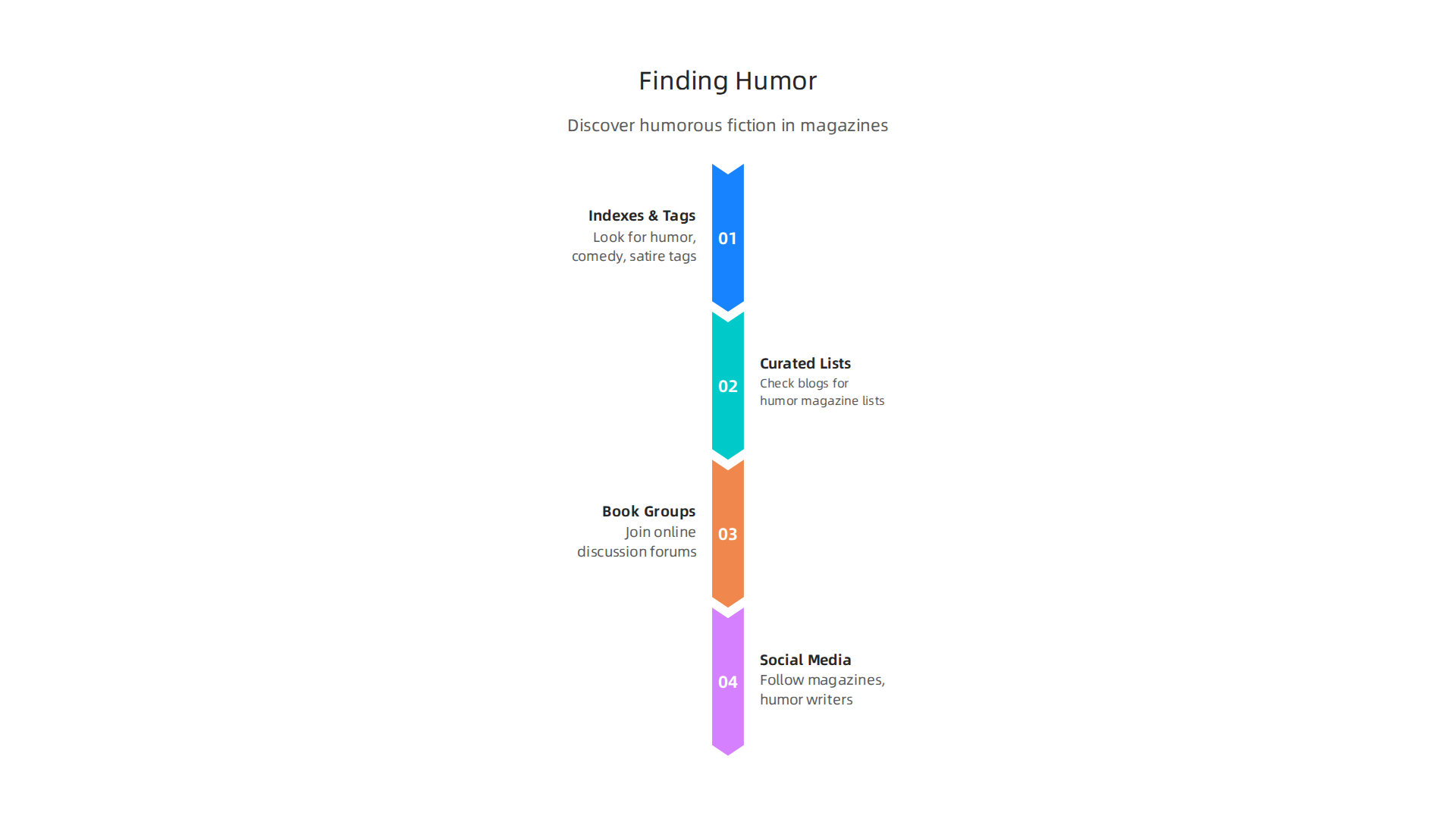
These tags are like labels that help you quickly find what you’re looking for. Think of them as shortcuts to the funny stuff. Websites that help writers find places to submit their work often have these kinds of search filters. Also, some college programs focus on the history and purpose of these publications, showing how important they are for new writers and readers alike 2025-26 Warren Wilson College Catalog.
Next, keep an eye out for curated lists. Many literary blogs and writing websites make lists of magazines that are known for publishing humor. For example, there are great lists out there for "humor magazines" or "places that want funny writing" that are updated for 2026. These lists are super helpful because someone else has already done the searching for you. You can find more than 10 Magazines and Anthologies Publishing Humor through these types of resources.
Social signals are another great way to find new humor. This means paying attention to what other readers are talking about.
- Book groups: Join online book groups or forums where people discuss funny books and short stories. Someone might share a link to a literary magazine with a really funny piece.
- Social media: Follow literary magazines and humor writers on social media. They often post about their new issues or funny pieces they’ve published.
- Podcasts: Sometimes, podcasts that talk about books or comedy, like some stand-up comedian podcasts, will mention literary magazines featuring humorous writing.
Lastly, explore tools and communities made just for finding good reads.
- Specialized platforms: There are online places that act like a central spot for finding all kinds of comedic literature. They help you discover new authors and funny stories, especially if you like particular blends like sci-fi comedy or dark humor.
- Online libraries: Many public libraries have digital collections where you can browse literary magazines. You can search by genre to find funny stories. For example, some libraries create lists of humorous fiction that you can explore.
Finding humorous fiction in literary magazines is like finding hidden treasure. By using tags, curated lists, and listening to other readers, you can easily discover your next favorite funny story. If you’re looking for more ways to understand what makes things funny, you might like to read about why we find things funny and the science behind a good joke.
Now that you know how to find funny stories, maybe you’re thinking, "Hey, I can write one too!" If you’re a writer hoping to share your humorous fiction with the world, getting your work into literary magazines is a great goal. It takes a bit of planning and a good understanding of what editors are looking for.
Submitting humorous fiction: advice for writers who want magazine placement
Sending your funny stories to literary magazines is more than just hitting "send." It’s about showing off your best work in the best way possible.
Understand Each Magazine’s Sense of Humor
Before you send anything, you need to read the magazine. This is the most important step!
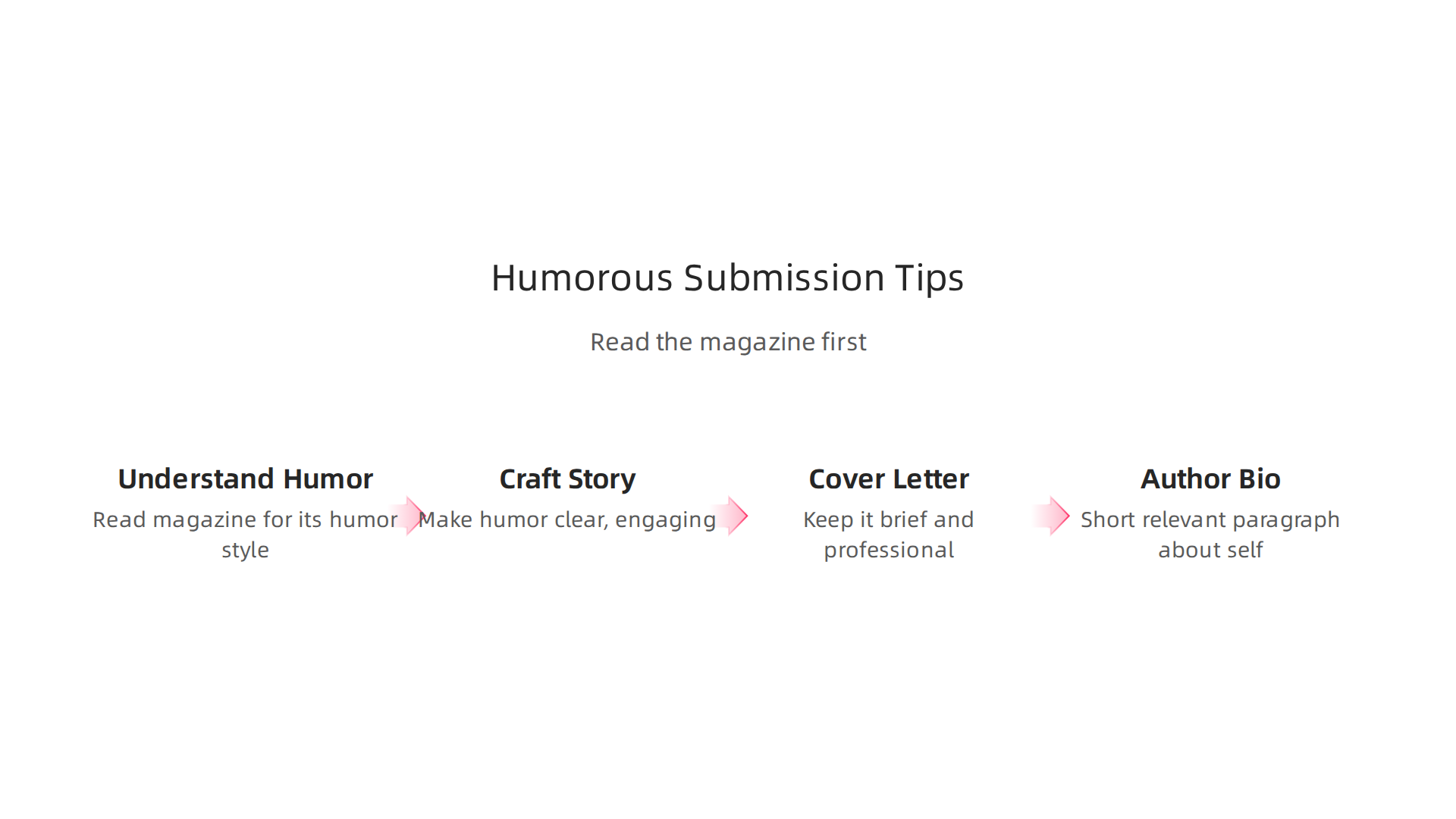
Don’t just guess what they like. Read a few issues or visit their website to see what kind of humor they publish. Do they like gentle comedy, sharp satire, or even a bit of dark humor? Every literary magazine has its own vibe. You can even check out resources like "We Keep Reading Lit Mags! 2025-2026" to get a feel for what’s current and what different magazines are publishing We Keep Reading Lit Mags! 2025-2026. If your story doesn’t fit their style, it’s probably not the right home for it. Editors often share advice on this, explaining that understanding their taste is key to getting noticed What Editors Want: A Must-Read for Writers Submitting to Literary Magazines.
Crafting Your Submission
Your story is the main event, but how you present it matters too.
- The Story Itself: Make sure your humorous fiction is as good as it can be. Does the humor land? Is the story clear and engaging from the very first sentence? An editor once shared that the first sentence needs to grab the reader right away Submitting to Literary Magazines – by Tommy Dean.
- Cover Letter: This is a short, polite note that goes with your story. Keep it brief and professional. Don’t try to be funny in the letter unless the magazine specifically asks for it. Just state what you’re sending and mention any past publications, if you have them.
- Author Bio: Include a short paragraph about yourself. Keep it simple and relevant to your writing.
Revisions and Feedback
Even the funniest writers need help making their work shine.
- Revise, Revise, Revise: Read your story many times. Look for ways to make the jokes funnier, the timing better, and the story stronger.
- Beta Readers: These are trusted friends or fellow writers who read your story before you send it out. They can tell you if your humor is clear and if the story makes sense. They might even spot places where your funny ideas aren’t quite coming through yet.
Targeting the Right Magazines
Once your story is polished, it’s time to find the perfect home.
- Research: Look for literary magazines that specifically say they publish humorous work. Websites often list "calls for submissions" where you can see what different places are looking for in 2026 2026 FEB Calls for Submissions – Writing Corner. There are even lists of specific literary journals that welcome humorous writing 7 Literary Journals that Accept Humorous Writing.
- Submission Platforms: Many literary magazines use online platforms to accept stories. These platforms help you keep track of your submissions. You can find comprehensive lists of places to submit, including over 100 options in 2026 Best Literary Magazines: 100+ Places to Submit in 2026. The Community of Literary Magazines and Presses (CLMP) also offers a great resource for submission calls Calls for Submissions – Community of Literary Magazines and Presses.
By following these steps, you’ll greatly increase your chances of getting your humorous fiction published in literary magazines. It takes patience and a good eye for where your unique brand of funny fits best. If you’re ready to dive deeper into making your stories stand out, you might want to explore resources that help you Make Your Next Novel Ridiculous and truly memorable.
Finding the perfect home for your funny stories is just one part of the journey. Once these great pieces of humorous fiction are out in the world, readers want to find them and talk about them. This is where building a reading community around magazine humor comes in. It’s about bringing people together who love to laugh and enjoy smart, funny writing found in literary magazines.
Building a reading community around magazine humor
Reading doesn’t have to be a lonely activity. When it comes to humorous fiction, sharing the laughter makes it even better. Creating spaces for readers to discover and discuss stories from literary magazines helps everyone.
Shared Discovery Through Book Clubs and Online Groups
Imagine a book club where everyone reads the same hilarious short story from a literary magazine and then talks about what made them giggle. Book clubs are great ways to share funny finds. These groups can pick a new humorous story each month, perhaps from a list like the March 2026 Roundup of Member Magazines to discover fresh talent and different kinds of funny writing. Large community reading programs, like the Spokane Is Reading Announces 2026 Community-Wide Read, show just how powerful shared reading can be.
Beyond local clubs, online forums and social media groups are buzzing with readers discussing their favorite humorous pieces. Here, you might find people talking about everything from clever satire to dark humor they found in literary magazines. It’s a great place to ask, "What made you laugh this week?" You might even see people sharing funny photos or talking about what makes certain visual humor go viral. These online spaces act like big, friendly neighborhoods for readers. This idea of connecting people through shared interests is really important for newsrooms and publishers today, helping them build strong connections with their audience, as noted in a study about navigating the community era.
Magazine-Led Events and Promoting New Voices
Many literary magazines are doing more than just publishing stories. They’re hosting events, both online and in person. Think of live readings, author interviews, or discussions about the latest issue. These events help readers connect directly with the writers and editors, making the experience feel more real. Some magazines even run special programs, like the Spring 2026 "Bookaccino Live" Evening Program, which bring readers together for talks and shared experiences.
For groups looking to share humorous fiction, here are some helpful tips:
- Curate with Care: Choose stories that offer different styles of humor. This keeps things interesting for everyone.
- Highlight the New: Don’t just stick to famous authors. Look for newer, lesser-known writers in literary magazines who deserve attention. Sometimes, the funniest voices are just waiting to be discovered.
- Encourage Discussion: Ask open-ended questions like, "What surprised you about this story?" or "How does this humor compare to a stand-up comedian podcasts you enjoy?" This helps people dig deeper into why something is funny.
By making an effort to create these shared paths for discovery, we can help more people enjoy the fantastic world of humorous fiction found in literary magazines. After all, sharing a good laugh is one of life’s best simple pleasures. For those who love truly funny writing, Humor Literary Magazines Are the Gold Standard for Funny Books.
Summary
This article explains why literary magazines are one of the best places to discover truly funny fiction and how they work as talent scouts for fresh comedic voices. It walks readers through what a literary magazine is, how editors find and select humor, and the different formats—flash, personal essay, satire, columns, and cartoons—that affect how jokes land. The piece also shows practical search strategies for readers, including tags, curated lists, social signals, and library or platform tools, plus clear advice for writers on researching markets, polishing submissions, and using beta readers. Finally, it highlights ways to build reading communities—book clubs, online groups, and magazine events—that share and amplify magazine-born humor. After reading, you’ll know where to look for funny short fiction, how to improve and place your own humorous work, and how to connect with others who love smart comedy found in literary publications.