How Funny Images for People Spark Better Humorous Writing

Have you ever seen a random photo of someone making a silly face and, for a split second, a whole world popped into your head? It feels like magic. A single funny pic of people can unlock a character you never knew you needed.
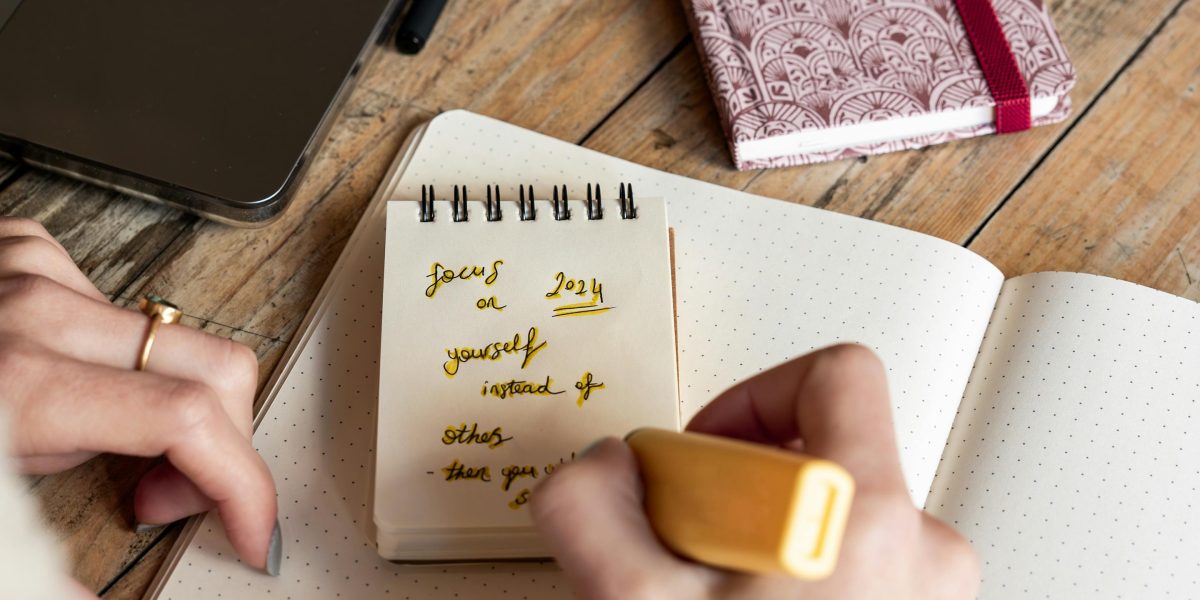
Many of the best comedy writers actually collect these moments. They use funny images for people as secret fuel for their stories.
Think about the last time you picked up a humorous novel. The cover probably had an image of funny people on it. We really do judge books by their covers. In 2026, publishing trends show that visual artists are leading the way in bookish trends. That promise of a laugh on the cover is often what makes us buy the story inside.
But here is the thing. The link between a goofy photograph and a well written joke is powerful. A lot of people miss it. When you study images of funny people, you train your brain to see timing, expression, and absurdity. Learning why funny pictures of people make us laugh out loud can help you write better characters and snappier dialogue.
In this article, we will explore how you can use images of funny people to spark your own humorous writing. We will look at why this visual trick works so well and how to use it today.
If you are ready for a funny story that puts all of these ideas together, we have something for you. Looking for Humorous Fiction?
The Science Behind Why We Laugh at People
So why does a funny pic of people hit us so hard? It is not just random luck. Two big scientific ideas explain it: incongruity and mirror neurons.
Incongruity is the brain’s love for surprises. When you see a sad clown or a cat wearing sunglasses, your brain expects normal. But it gets something weird. That mismatch creates laughter. Visual humor transforms abstract ideas into moments that stick. This same mechanism powers written satire. The setup creates a pattern, and the punchline breaks it. That is why a perfectly timed joke lives in your head.
Mirror neurons make you feel what you see. When you look at a funny image of a person with a wild expression, your brain fires the same neurons as if you were making that face. You empathize. You almost laugh along. A cartoonist and psychologist teamed up to explain that making humor more visual helps writers show readers the funny. That is why funny images for people feel so relatable and why they can inspire your own characters.
Learning these principles helps you write better comedy. If you want to explore why some funny photos go viral while others flop, check out our deep dive on visual humor. And if you are ready to see these ideas in action, a novel like The Ridiculous uses incongruity and exaggerated expressions to keep you laughing. Try Funny Fiction With Scope.
How Comedy Photographers Capture Laughter
Those hilarious candid shots and absurd setups you see online do not happen by accident. Comedy photographers use two main tricks that writers can learn from: waiting for the right moment and placing people in strange scenes.
Candid timing is everything. A photographer watches a subject until the face relaxes into a real, unfiltered expression. That split second when someone forgets the camera is gold. The Psychology of Stand-Up Comedy explains how comedians study microexpressions and emotional reactions. Photographers do the same thing. They wait for the flash of surprise, the sudden laugh, or the awkward pause. That is why a funny pic of people often feels so alive.
Absurd framing takes the surprise from the science section and puts it into practice. A photographer might place a dignified businessman in a kiddie pool or shoot a serious face with a giant banana hat. The contrast between the expected context and the actual image creates the jolt. The art of writing comedy often uses the same "kitchen sink" philosophy: throw in unexpected elements and see what sticks.
Many humor authors actively follow comedy photographers for inspiration. They study how body language, facial expressions, and odd settings create laughs. These funny images for people become reference sheets for character quirks and dialogue. If you want to sharpen your own character writing, check out how visual thinkers break down humor in this book club for visual thinking.
And if you are ready to see these photography lessons translated into a full story, the sci-fi comedy The Ridiculous uses absurd framing and perfect timing on every page. Try Funny Fiction With Scope.
Translating Visual Gags into Narrative Goldmines
You are staring at a blank page. The cursor blinks. Nothing feels funny. This is the moment every humor writer knows: the well is dry. But what if the cure is already sitting in your camera roll?
A single funny photo can unlock an entire scene or character. That shot of a tourist in a tiny sombrero at a crowded market? That could be the introduction of a clueless hero in your sci fi world. The awkward group photo where one person looks genuinely terrified? That is the emotional core of your next dialogue exchange. Research shows that visual humor transforms abstract ideas into memorable experiences. When you look at images of funny people and ask yourself “what happened five seconds before this was taken,” your brain builds a story automatically.
**Writers use these image prompts to smash through creative blocks.
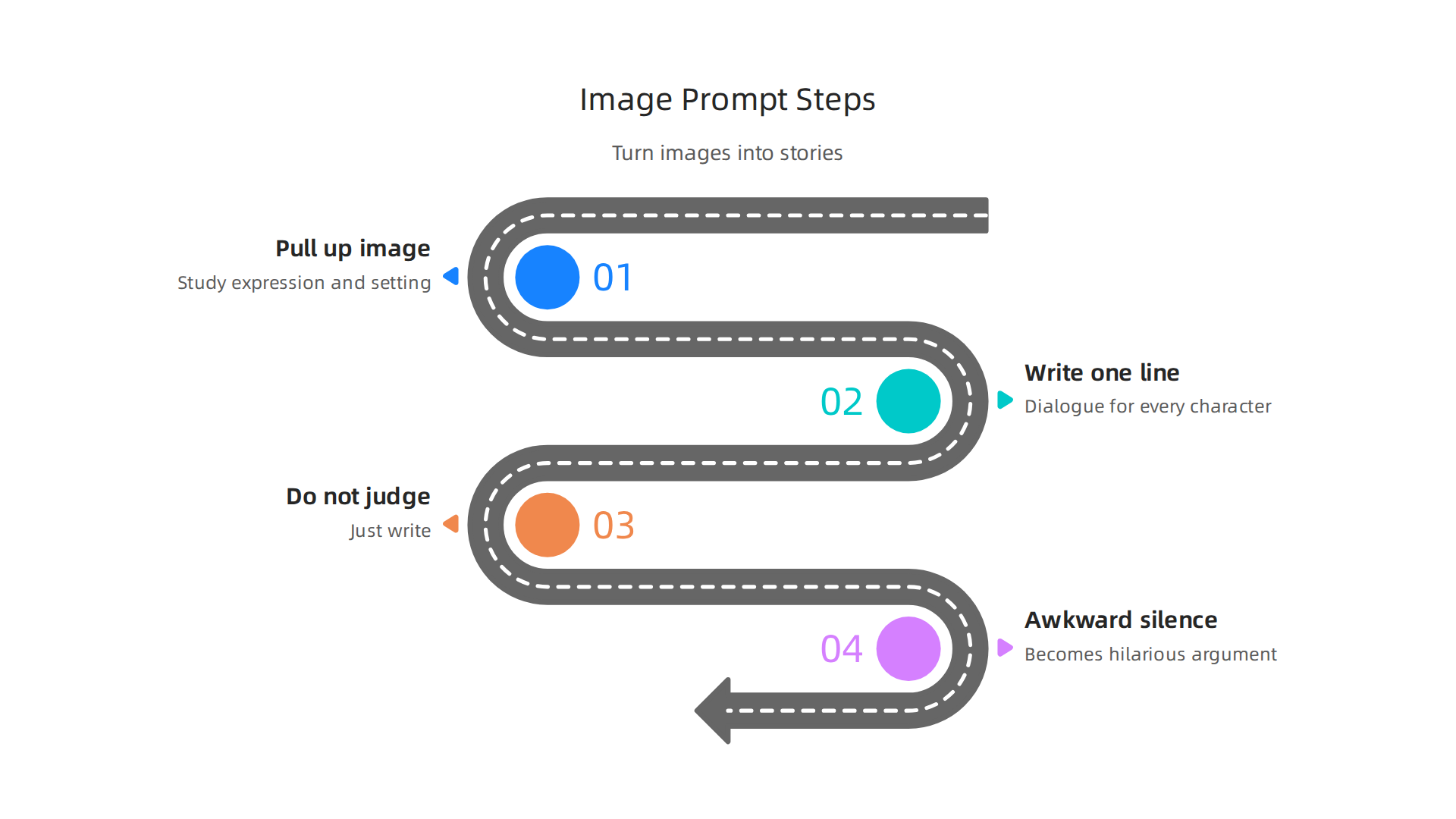
** The technique is simple. Pull up a funny pic of people, study the expression and the setting, then write one line of dialogue for every character in the frame. Do not judge it. Just write. The awkward silence between two people in a funny picture can become the most hilarious argument you have ever written.
Cartoonists and psychologists agree on this method. A piece from Writer’s Digest explains how writers can make humor writing more visual by borrowing techniques from comics. The result? Your readers see the scene clearly, and they laugh before they even finish the sentence.
The next time you need a spark, scroll through funny images for people. Pick one that makes you snort. Then write the story behind it. That single moment might become your next great chapter.
Looking for a place to start? The novel The Ridiculous builds its whole world around absurd visuals. See how a single ridiculous image can drive a comic plot.
Case Study: Memorable Funny Characters and Their Photographic Doubles
Have you ever read a funny character and thought, “I swear I have seen that person in a photo?” You probably have. Some of the most iconic humorous characters seem to leap straight out of real life. That is because their creators borrowed from the visual world around them.
Take Ignatius J. Reilly from A Confederacy of Dunces. He is a large man in a hunting cap with a green velvet outfit and a ridiculous scarf. Now picture a funny pic of people at a secondhand store: someone wearing a mismatched hat and an oversized coat. The resemblance is almost uncanny. The author, John Kennedy Toole, likely drew from real observations. By comparing a character description to a funny photo, you can see exactly how an absurd outfit and expression become a lasting personality.
Or think about Arthur Dent from The Hitchhiker’s Guide to the Galaxy. His panic is perfectly human. Find a funny picture for people where one person looks completely lost while everyone else is calm. That is Arthur. His ordinary helplessness makes him hilarious because we have all been there.
The translation process is simpler than you think. When you study images of funny people, you start noticing details: the tilt of a head, the awkward hand gesture, the forced smile. These small visual cues can define a character. Book memes often prove this point by pairing character descriptions with real photos, showing how readers instantly connect with the visual.
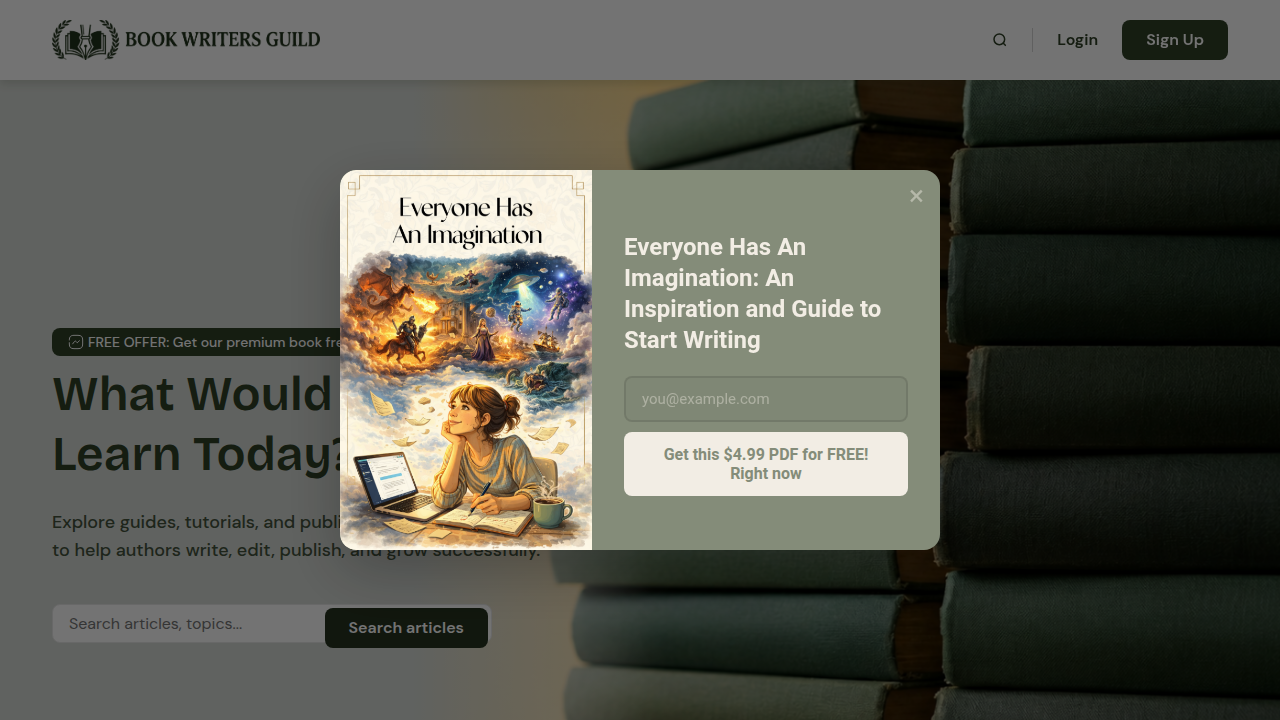
According to the Book Writers Guild, these memes capture the emotional side of reading and bring characters to life.
So next time you build a character, open a search for funny images for people. Find a real person who looks like your character would look. Then borrow that energy. You will end up with someone readers can picture instantly.
Need proof that a visual spark can build a whole world? Pick up a story that started from a single ridiculous image. Try this sci-fi comedy adventure built for witty, curious readers and see how far a funny photo can take you.
Using Memes and Viral Images to Craft Relatable Humor
We just talked about using funny images for people to spark a character. Now let us talk about memes. Memes are like modern shortcuts for feelings. They are today’s comedic archetypes.
Think about the "Distracted Boyfriend" meme. You know the story immediately. One person loses interest. Another person is shocked. A third person gets attention. That is a whole relationship drama in one funny pic of people. You can borrow this dynamic for your book. Readers will understand it right away because they have seen it a thousand times.
Writers already use memes to deal with the hard parts of writing. A list of 87 ridiculously funny writing memes on Bored Panda shows that even professional authors rely on these images to laugh at themselves. That same honesty works in fiction.
Viral images also capture specific cultural moments. The "This is fine" dog. The "Disaster Girl." These are not just jokes. They are characters frozen in time. If you write a character who has the energy of a viral image, your reader will fill in the blanks with laughter.
So here is the trick. Next time you need to write a relatable funny scene, search for funny pictures for people online. Find an image that matches your character’s stress or joy. Then write that exact expression into your story. If you are curious about the science behind this, check out our guide on why funny pictures of people make us laugh out loud.
Want to see how professional authors turn this into a full novel? If you are looking for humorous fiction that embraces this kind of character-first comedy, start with a story that feels like a viral moment stretched across a whole universe. Or try this funny fiction with scope that builds its world around the energy of a ridiculous, relatable character.
The Role of Absurdity in Visual and Written Comedy
You know that feeling when you see a cat wearing a tiny hat and your brain does a double take? That little moment of confusion is called cognitive dissonance. Your brain expects one thing and gets something completely different. And that gap is where laughter lives.
Absurd humor works the same way in writing. When you put a character in a situation that makes no logical sense, your reader laughs because their brain is trying to solve a puzzle that cannot be solved. The reaction is instant and honest.
Many serious comedy writers actually train their voices by looking at absurd photos first. They scroll through collections of weird, unexpected, or just plain silly images to wake up their sense of the ridiculous. Some keep a folder full of funny images for people just for this purpose. It acts like a warm up before they sit down to write.
If you want to see this principle in action, look at how book memes capture the emotional rollercoaster of reading. A list of 41 funny book memes for authors and readers on Book Writers Guild shows exactly how absurd images translate complex feelings into instant comedy. The same trick works in your fiction.
Here is the takeaway. Absurdity is not random nonsense. It is a tool. When you describe a character reacting to something completely illogical with total seriousness, you create comedy gold. Think of your story as a gallery of images of funny people and you are just describing the moment the photo was taken.
Want to see how a whole universe built on absurdity feels? If you are looking for humorous fiction that embraces this kind of character-first comedy, check out a story where the ridiculous is the whole point. Or try this funny fiction with scope that builds its world around characters who do not know they are absurd.
Discovery Overload: Why Finding Great Humorous Fiction Is So Hard
There are millions of books published every year. And a huge number of them get labeled as "humorous." But here is the thing. That label does not mean much anymore. Publishers slap it on everything from dark satire to light romantic comedy. So how do you find the real gems?
Your brain uses visual shortcuts. When you see a cover with bright colors or a funny pic of people, you get a quick hint. According to a piece on book cover design trends for 2026, genre signaling on covers is more important than ever. That visual cue helps you decide fast. But it is also a trap. A great cover does not always mean a great read.
Algorithms on big retail sites do not understand your sense of humor. They just know you bought one funny book before. They do not get why you loved that specific type of absurdity. A 2026 author trends report confirms that readers struggle to find content that matches their true taste. You end up scrolling through pages of misfires.

That is why a dedicated platform like Humorous Fiction is so helpful. Instead of wading through millions of mismatched titles, you get curated recommendations that understand comedic nuance. If you want a deeper look at how visual cues work in comedy, check out this page on visual humor and why some funny photos go viral.
If you are tired of the guesswork, looking for humorous fiction that actually delivers the laughs is a better path.
How Illustrators and Authors Collaborate on Funny Book Covers
So you have learned why discovery is so hard. Now let us look at what actually works when a funny book grabs your attention. The answer often starts with a cover featuring images of funny people.
Here is the thing. A funny pic of people on the cover does more than make you smile. It drives real results. According to the 2026 book cover design trends report, genre signaling through visual cues is the most important factor for attracting the right readers. A cover that clearly communicates humor through a funny image of people can boost click-through rates and sales by a big margin.
But not just any image works. The best covers come from illustrators who know how to push facial expressions past the limits of reality. They exaggerate. They stretch a smile into a grimace. They widen eyes just enough to signal absurdity. That is the sweet spot where funny pictures for people actually land.
Publishing predictions for 2026 confirm that artists are leading bookish trends, with authors investing more in high quality artwork than ever before. A well crafted cover with funny images for people tells you instantly that the book inside knows how to laugh.
If you want to understand why certain funny visuals work better than others, check out this deep dive into visual humor and why some funny photos go viral. It explains the psychology behind what makes us stop and click.
When you are ready to skip the guessing game and find books with covers that actually match the comedy inside, try funny fiction with scope that delivers on its visual promise.
Building a Reading List Based on Your Favorite Funny Image Aesthetic
Here is a trick that works better than reading blurbs. Look at the kind of images of funny people that make you stop scrolling. That instinct tells you a lot about your humor style.
Think about it. Do you laugh more at a dry, deadpan funny pic of people that barely cracks a smile? Or do you lean toward over the top slapstick with wild expressions and chaotic energy? The answer can guide your next book pick.
Here is why this works. Platforms like Pinterest and Instagram already act as discovery engines for humor genres. When you save certain funny pictures for people, you are basically voting on your comedy taste. And according to the 2026 publishing trends report, visual discovery is reshaping how readers find new books. The images you already love can point you directly to fiction that matches that same vibe.
A reader who pins elegant, witty funny images for people might love sophisticated satire. Someone who saves chaotic, wide eyed funny pics of people may prefer absurd sci-fi comedy. The connection is that direct.
If you want to understand your own visual humor preferences better, check out this breakdown of why some funny photos work while others flop. It helps you spot the patterns in what actually makes you laugh.
Ready to skip the endless scrolling and grab a book that matches your humor taste? Try a sci-fi comedy built for witty, curious readers and see if your Pinterest board was right all along.
Sci-Fi Comedy: Taking Visual Humor to the Final Frontier
Here is where things get really interesting. If the images of funny people you save on Pinterest lean toward spaceships, robots, or aliens, you are probably a perfect candidate for sci-fi comedy.
This genre lives on visual absurdity. Think about Gary Larson’s The Far Side. His comics took everyday science fiction ideas and twisted them into something unexpected. A cow sitting on a rocket. Aliens who look confused by human snacks. Those strips worked because each funny pic of people (or aliens and scientists) created an instant gut laugh. CBR calls The Far Side one of the best examples for sci-fi fans, and they are right.
Authors in this niche actively draw inspiration from visual culture. They look at funny images for people from space exploration, tech culture, and even AI art to spark story ideas. According to writers who specialize in the genre, the key is pairing big imaginative concepts with jokes that feel human.
If you find yourself laughing at memes about malfunctioning robots or astronauts doing silly things, pay attention. That is a strong signal. You probably enjoy humor that blends absurd situations with heartfelt characters. For a deeper look, read this breakdown of absurd humor in action.
Ready for a book that delivers this mix of cosmic chaos and comedy? Try a sci-fi comedy adventure built for witty, curious readers and see if your favorite funny pictures for people lead you to your next favorite story.
Book Clubs Reimagined: Using Images to Spark Funny Discussions
So you have found your love for sci-fi comedy. Now what? If you are in a book club, or thinking of starting one, there is a fun trick that can make your meetings more lively. Pair each chapter with a related funny photo.
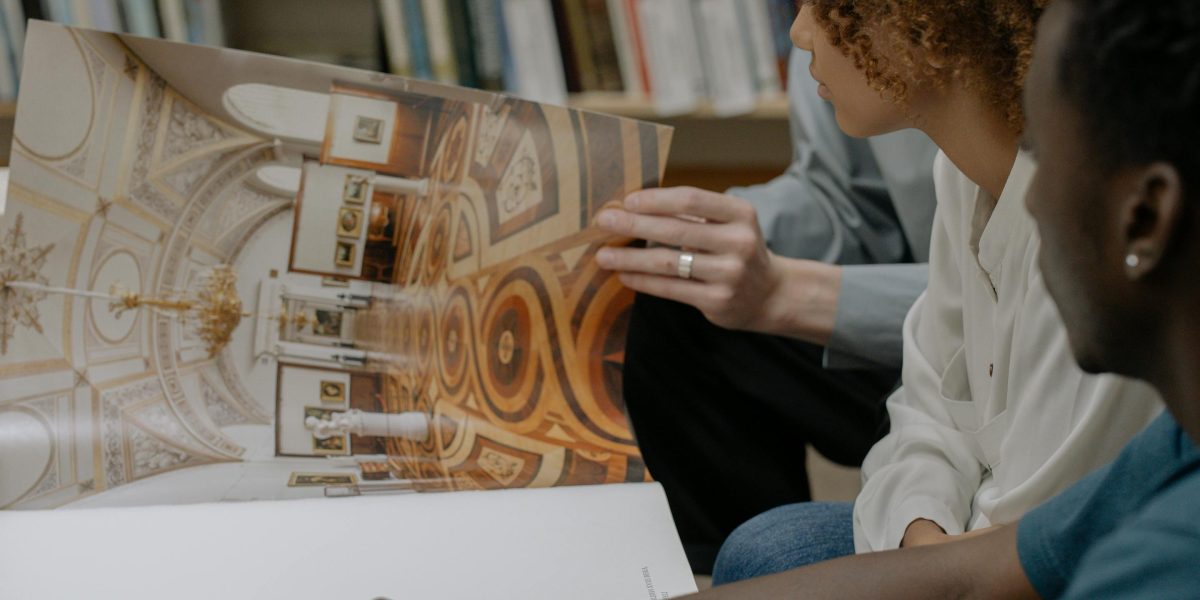
This idea is not as random as it sounds. Book clubs that add visual prompts to their reading sessions see higher engagement. Why? Because a silly image can help members explain why a scene made them laugh. It also makes it easier to compare the humor in the book to real life.
For example, say your group is reading a sci-fi comedy about clumsy aliens. You could bring a funny pic of people reacting to strange situations. Or you could find images of funny people that match the characters in the story. The visual gives everyone a shared starting point.
Want to see what kind of artwork sparks these conversations? 99designs has a huge collection of sci-fi illustration ideas that book clubs can browse for inspiration. You can also look at ArtStation’s science fiction gallery for creative visuals to pair with your reading.
If you want to understand why certain funny images for people make us laugh more than others, this breakdown of visual humor is worth a read. It explains why some funny pictures for people land better in group settings.
Ready to start a book club that actually feels fun? Explore a world where humor and imagination collide and find your next great read.
The Future Trend: Interactive and Visual Humor in E-Books
So you have seen how a funny pic of people can liven up a book club meeting. Now imagine that the book itself brings the visual comedy directly to you. That is the direction e-books are taking in 2026.
The publishing world is changing fast. One of the biggest shifts right now is the move toward interactive and immersive reading. According to the top publishing trends for 2026, stories are becoming much more alive. Enhanced e-books can now embed animated funny images directly into the story.
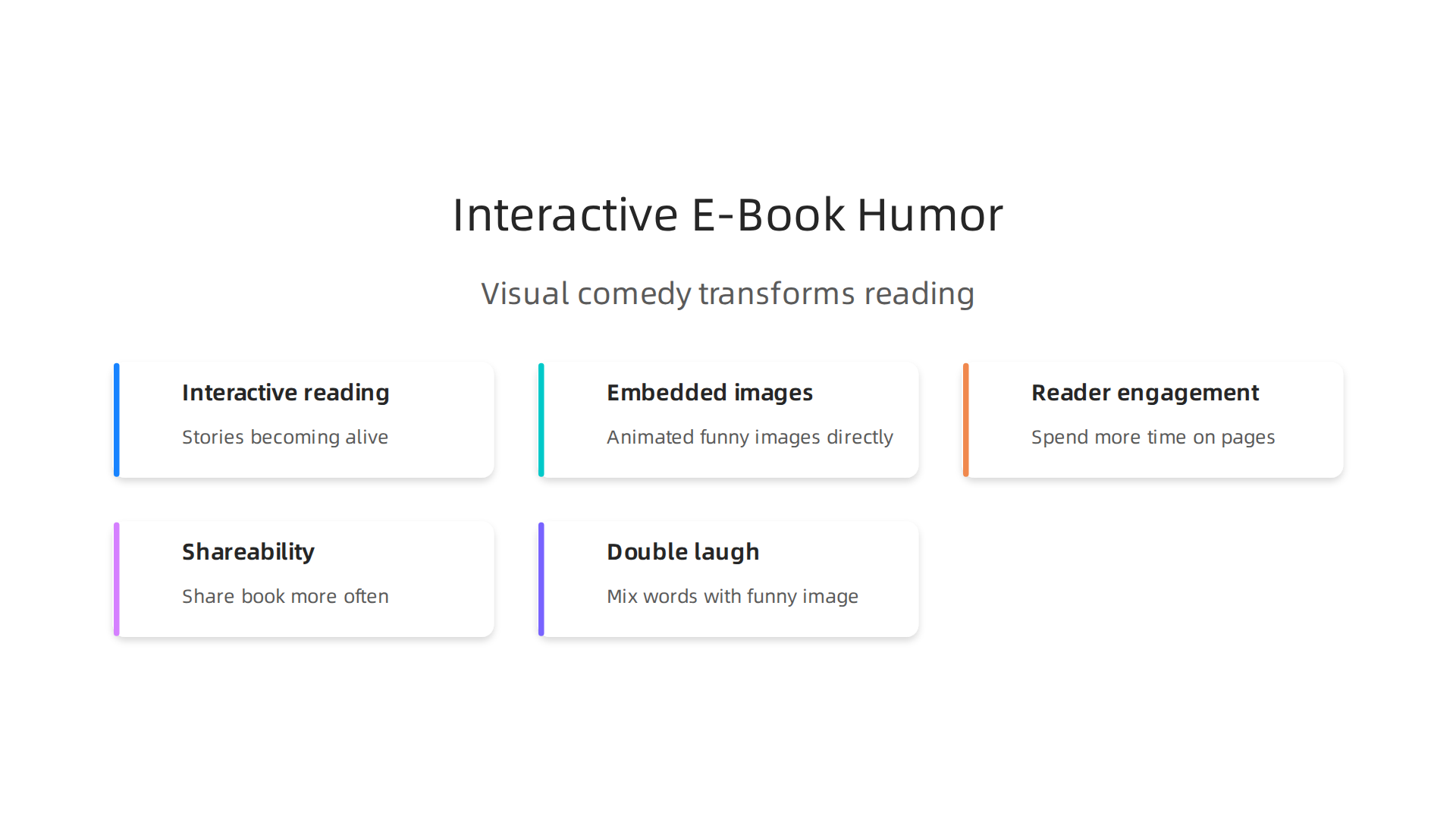
Instead of just reading about a silly moment, you see a funny image for people acting it out on the page.
Early data from publishers who have tried this shows real results. Readers spend more time on pages that include a funny pictures for people. They also share the book more often with friends. Why does this work? Because visual comedy makes the joke land harder and stay in your memory longer.
If you want to understand why some funny images for people work better inside a story, you can explore the science of visual humor. It explains why a well-timed visual beats plain text every time.
Creating these kinds of books is getting easier too. Platforms offer simple ways to enhance e-books with videos, GIFs, and links. This means writers can mix clever words with a funny image for people to double the laugh factor.
This blend of text and visual humor feels like a natural home for comedic sci-fi. It makes the reading experience more active and more fun. If you want to try a story that mixes sharp writing with this kind of bold energy, check out a sci-fi comedy built for witty readers.
Summary
This article shows how a single funny photo of people can power better humorous writing by teaching you to see timing, expression, and absurdity. It explains the science behind why images make us laugh—mainly incongruity and mirror neurons—and how comedy photographers capture those moments through candid timing and absurd framing. You’ll learn practical methods to translate a visual gag into scenes, dialogue, and fully formed characters, plus ways to use memes and viral pictures to make humor relatable. The piece also covers how covers and illustrations use funny images to improve discovery, how visual taste guides reading lists, and why sci‑fi and absurd fiction benefit particularly from image-first inspiration. By the end you’ll know simple prompts and steps to smash writer’s block, design visually driven characters, and use images to sharpen comedic voice.